Railway Systems
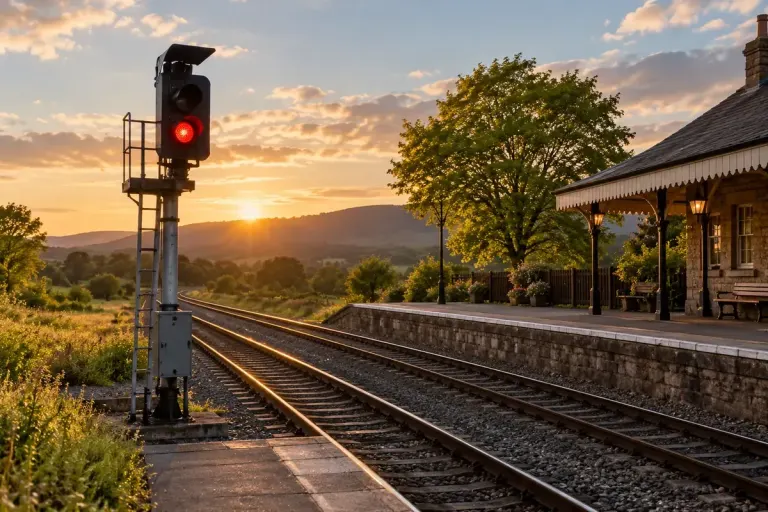
Why railway block signalling protects a stretch of track
Block signalling separates train movements through sections of railway. Read a historic signal alongside the track layout and operating system.

Routes, machines and the stories they leave behind.
Block signalling separates train movements through sections of railway. Read a historic signal alongside the track layout and operating system.
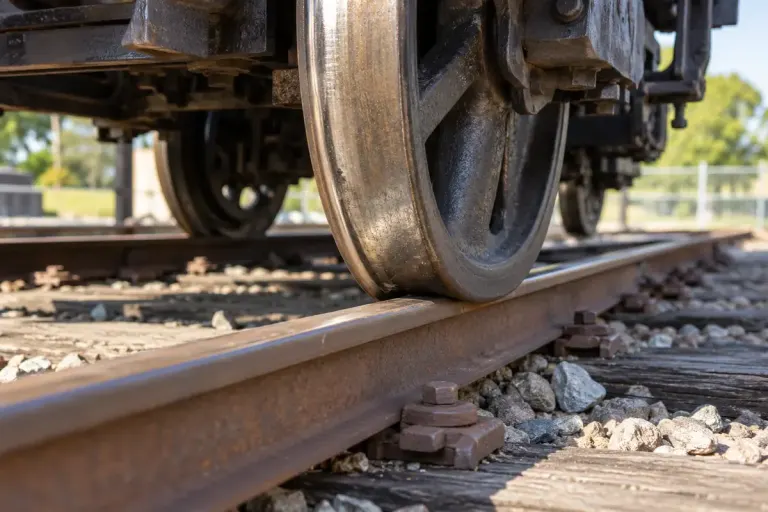
Look at a railway wheelset’s tread and flange separately to understand how it follows the track, and what a museum photograph can reveal.
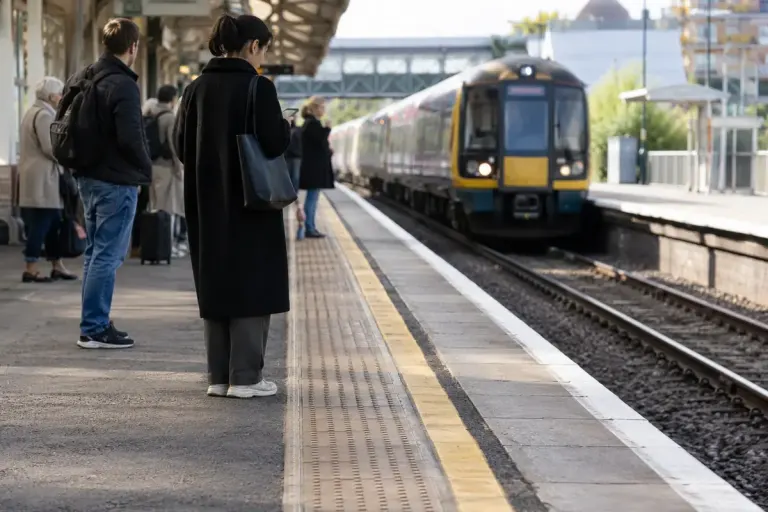
Understand the purpose of tactile platform-edge paving, and distinguish accessibility improvements from the older story of a railway station.
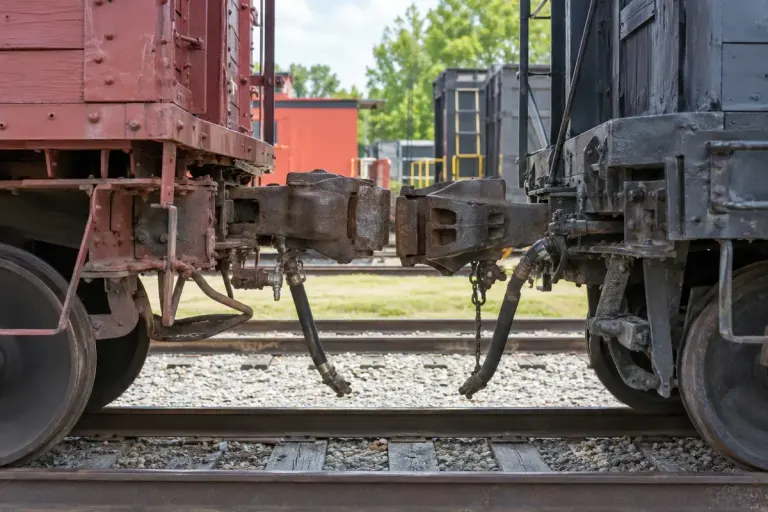
Understand the small movements between coupled railway vehicles and why slack affects how a long train responds.
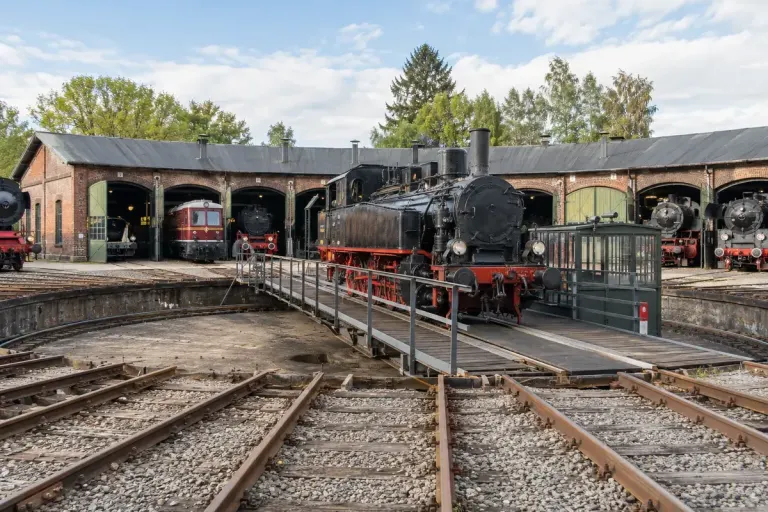
Read a railway turntable as a changing piece of infrastructure by checking its dimensions, connections and documented history rather than judging the pit alone.
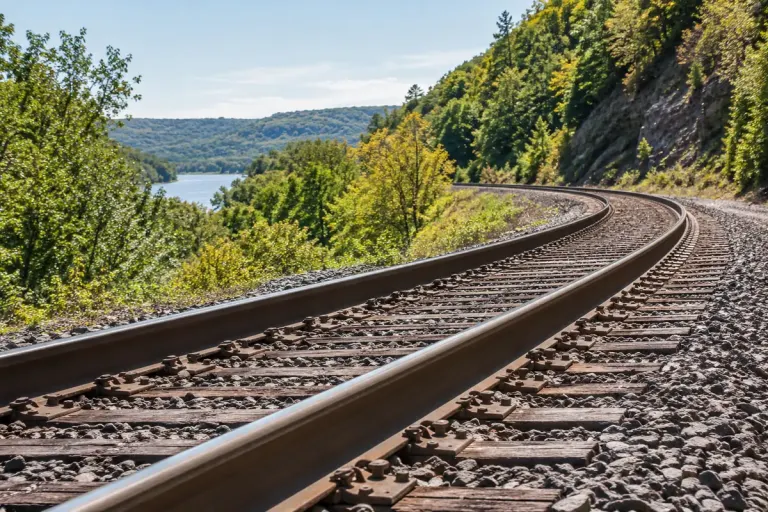
Recognise raised outer rails on a railway curve and distinguish cross-level cant from the line’s uphill or downhill gradient when reading photographs.
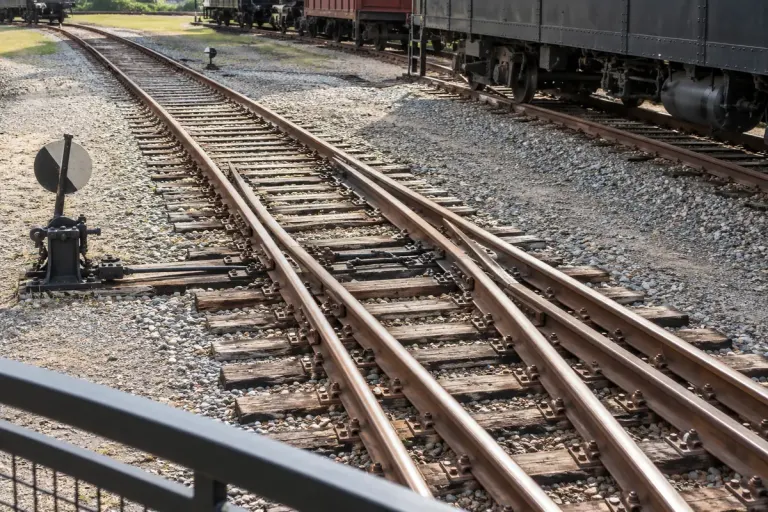
Identify the moving switch rails and crossing area in a railway turnout while keeping museum observation separate from operating equipment.
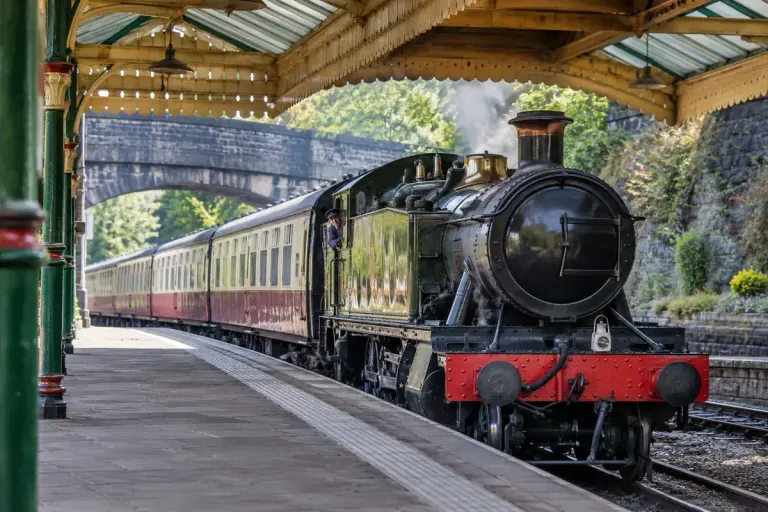
Track gauge tells you about the rails. Loading gauge asks whether a vehicle and its load fit the route around them.
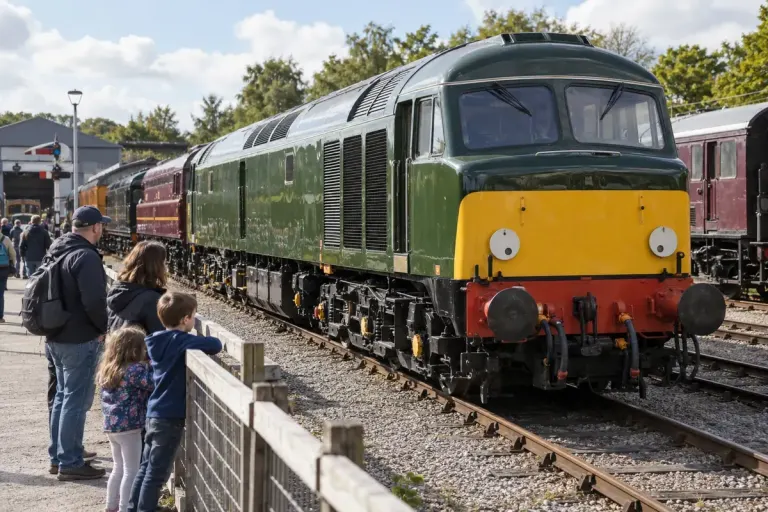
Follow the energy path through a diesel-electric locomotive, and learn why its diesel engine does not drive the wheels like a car engine.