Railway Technology
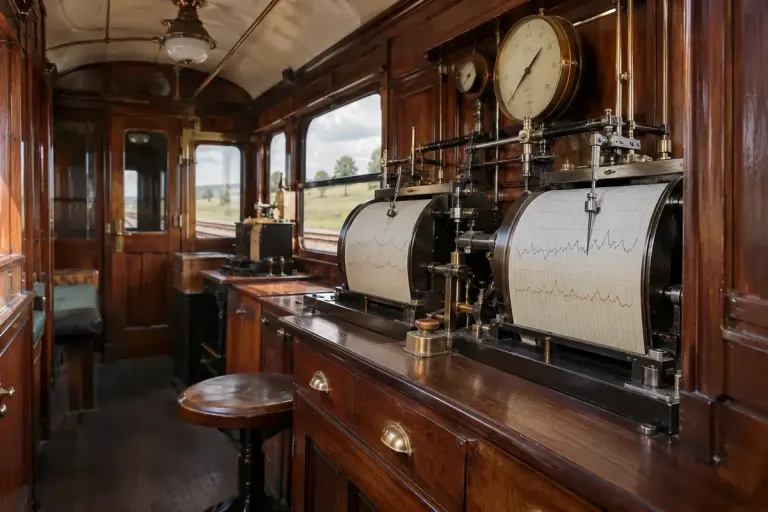
A Dynamometer Car Turned a Train Journey into a Test Run
Discover how a railway dynamometer car recorded a test run, and why its instruments and paper records matter alongside a locomotive’s speed claim.

Routes, machines and the stories they leave behind.
Discover how a railway dynamometer car recorded a test run, and why its instruments and paper records matter alongside a locomotive’s speed claim.
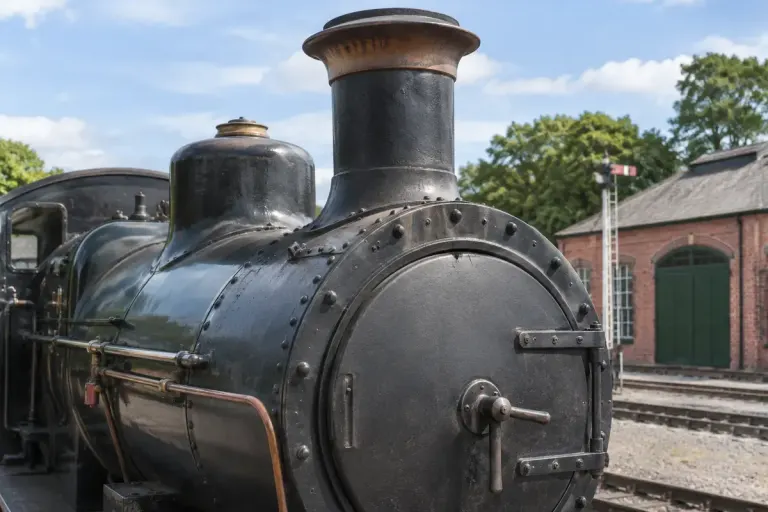
A locomotive spark arrestor was intended to limit escaping hot particles. Learn what historical drawings can show and why a chimney’s shape is not enough.
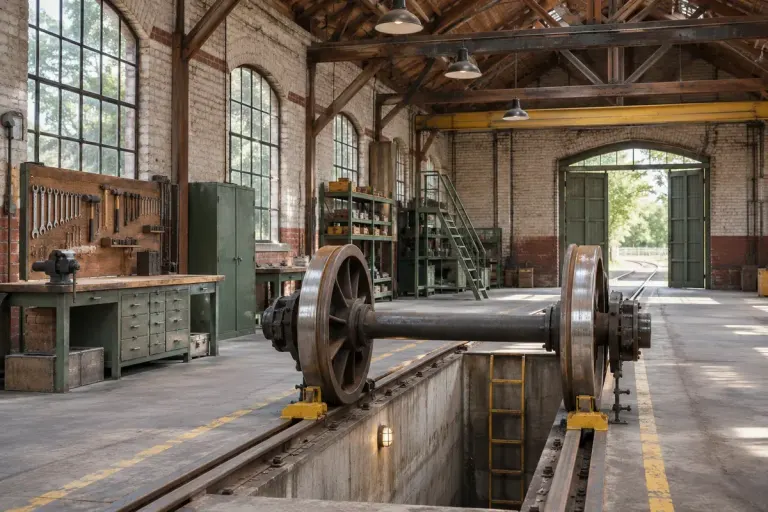
A wheel-drop pit reveals how a railway workshop moved heavy parts beneath a locomotive. Read the floor layout as part of the maintenance story.
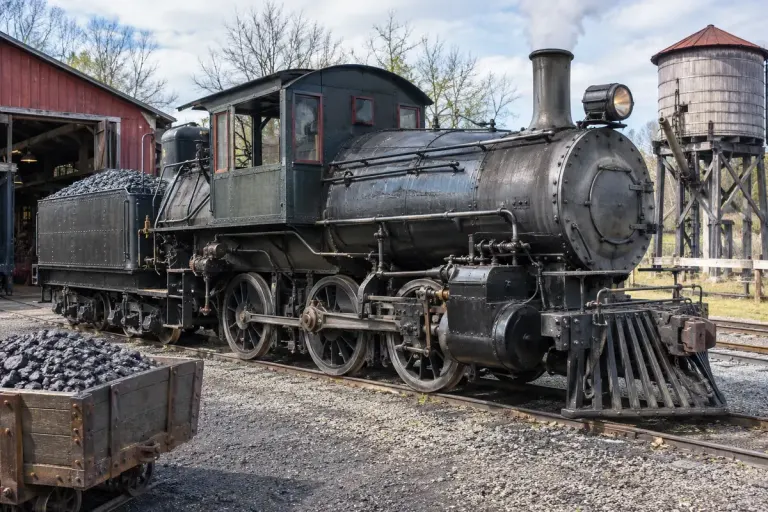
The Wootten firebox gave steam locomotives a broad grate for anthracite fuel. Learn how to read the design without treating every unusual cab as the same story.
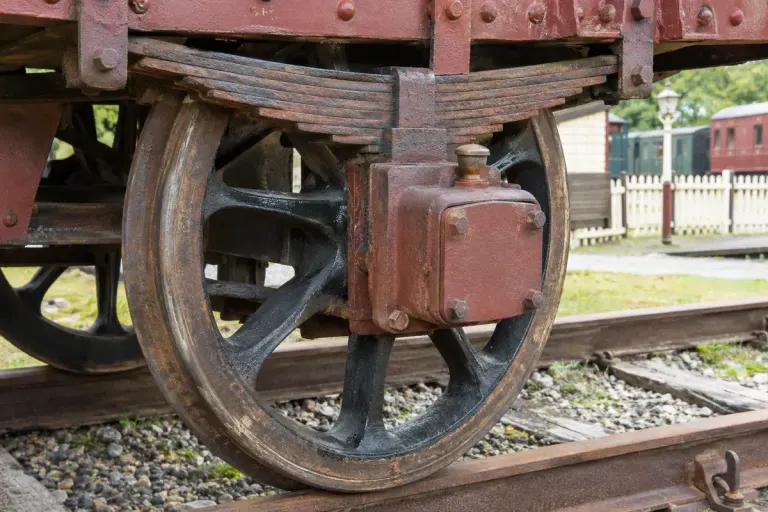
A journal box and its inspection tool reveal how railway workers cared for plain bearings. Learn what to look for in a museum display or archive photograph.
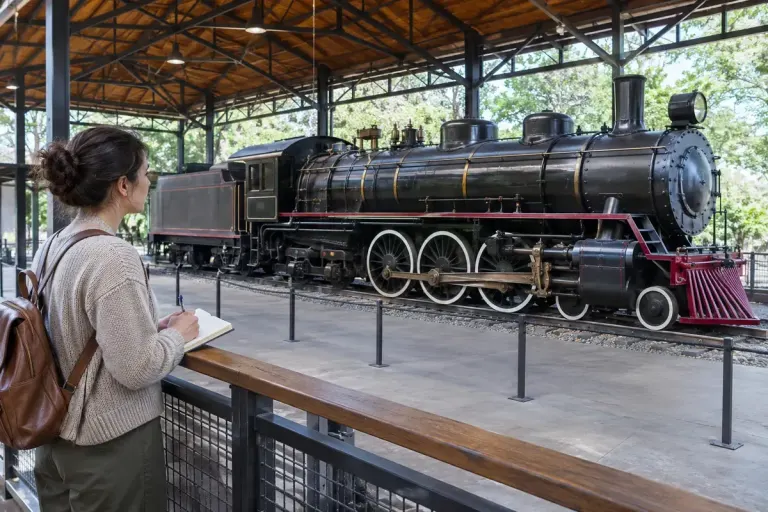
A steam-driven air pump supplied compressed air for another locomotive system. Read museum labels and pipe routes before confusing it with the driving cylinders.
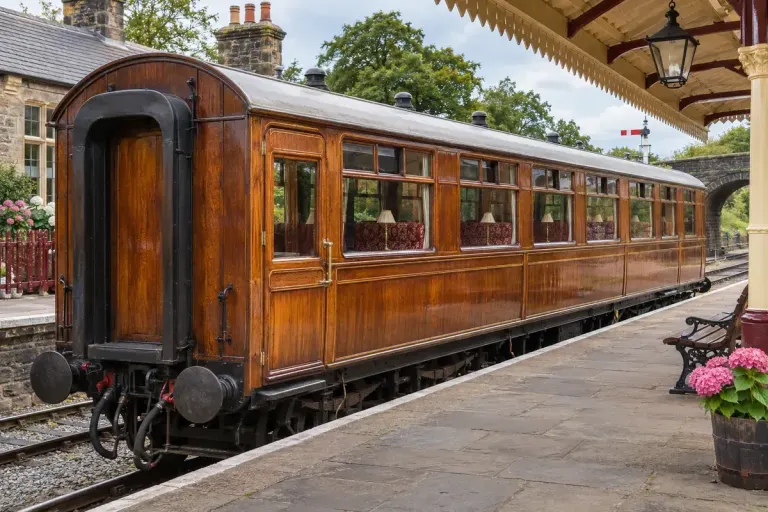
Slip coaches let part of a train stop while the express continued. Explore the historical operating idea and the records needed to understand it.
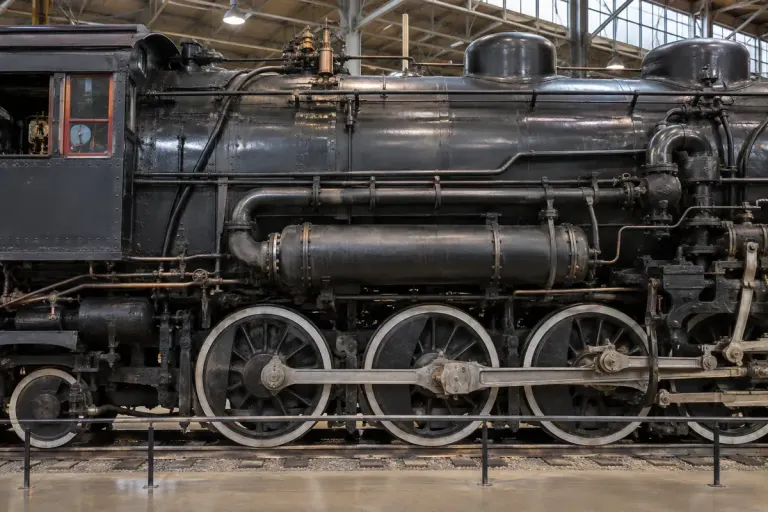
A steam locomotive’s feedwater heater reused heat before water entered the boiler. Follow the energy path and read museum machinery more carefully.
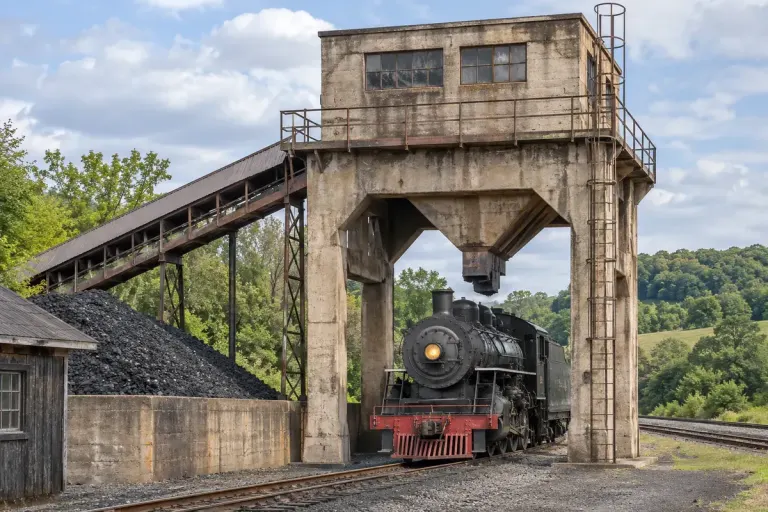
Read the purpose of a railway coaling tower through its lift, storage and discharge points, using a preserved American example for context.