A Railway Milepost Needs Its Own Starting Point
Read a railway milepost alongside the route, company, and date. Its number needs a defined origin before it can locate a historic event.
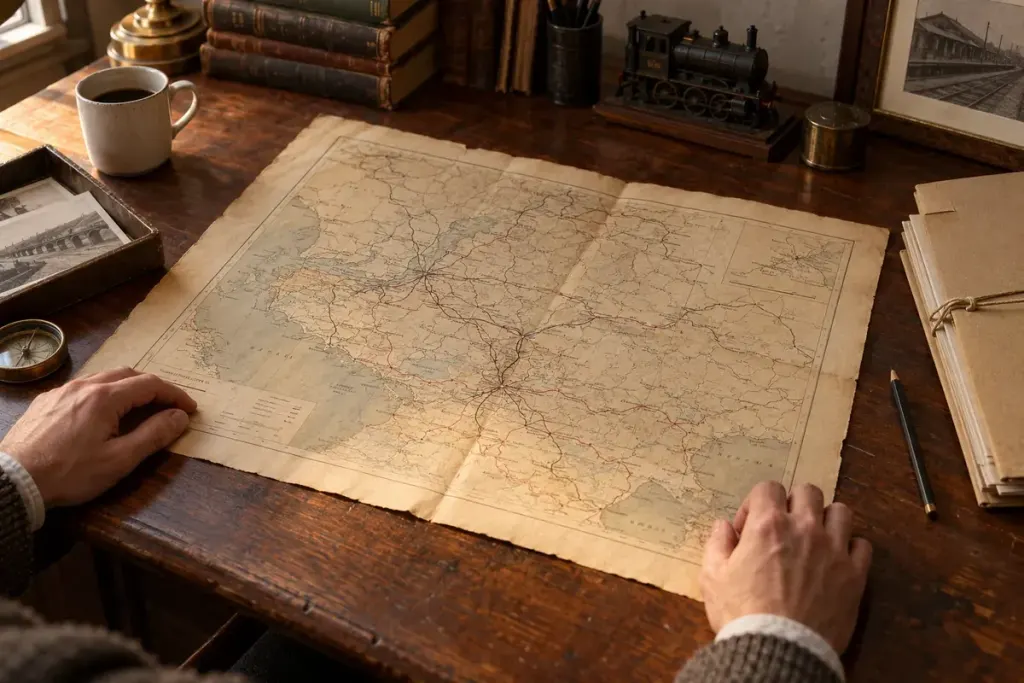
Explore railway history through maps, museum objects and the places that connect them, from Montana to rail networks around the world.
Explore a historical map →

Read a railway milepost alongside the route, company, and date. Its number needs a defined origin before it can locate a historic event.

Read a preserved caboose as a working space by asking about its railway, crew, layout and period of use rather than treating every example as the same red carriage.

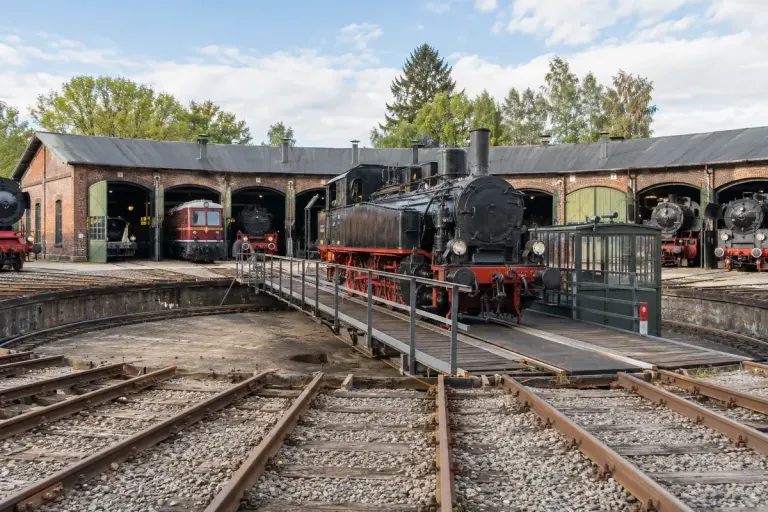
Read the turntable, radiating tracks and workshop bays of a railway roundhouse as evidence of how steam locomotives were maintained.

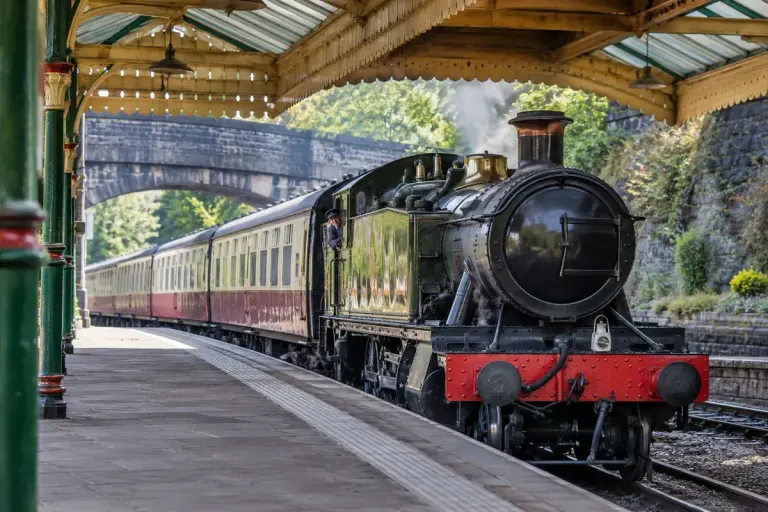
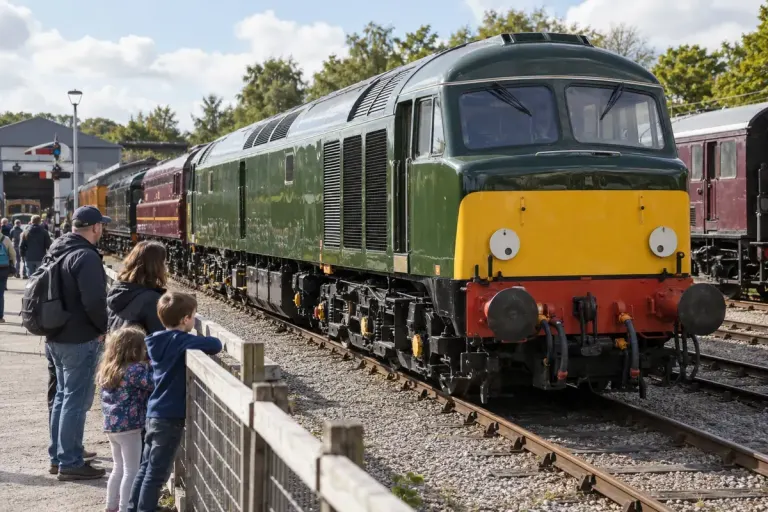
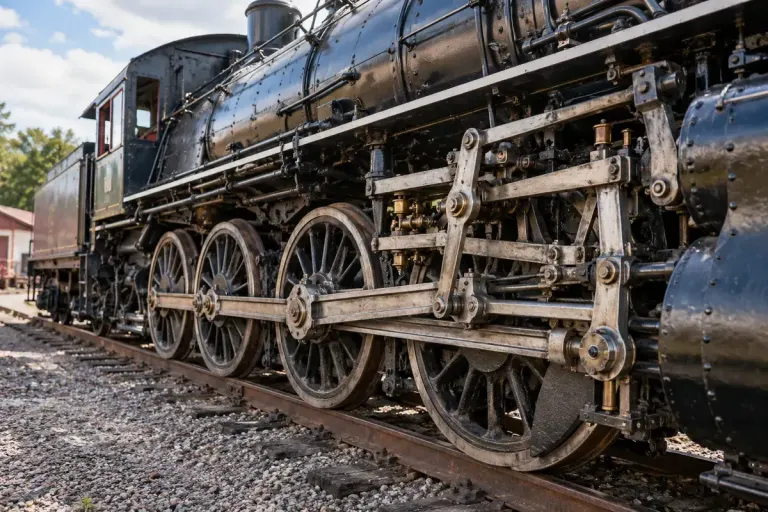
Trace a historic locomotive through renumbering, ownership changes and museum records instead of treating the number in a photograph as its whole identity.

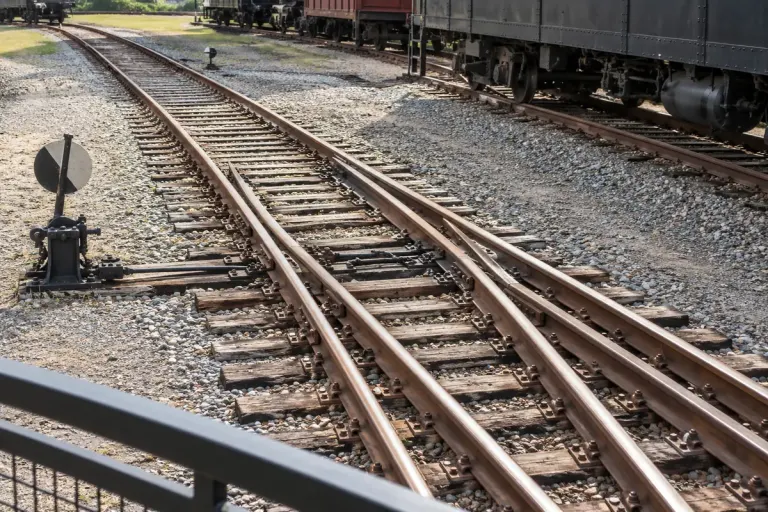
Understand railway gauge through the practical problem of connecting routes, transferring freight and reading historic track evidence.

Separate the date of a railway scene from the print, publication and digital scan so an old photograph does not acquire a false timeline.