Reading Railway Infrastructure
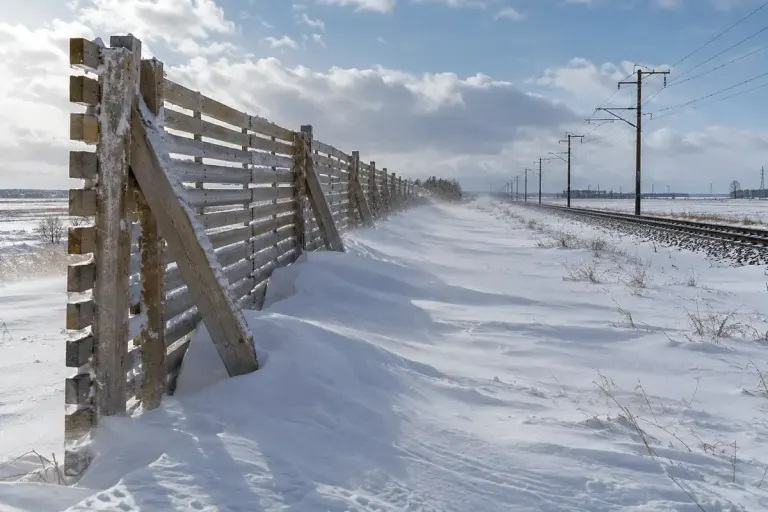
A railway snow fence works before snow reaches the track
Snow fences help railways manage windblown snow before it reaches the track. Learn what to look for in a landscape photograph or archive image.

Routes, machines and the stories they leave behind.
Snow fences help railways manage windblown snow before it reaches the track. Learn what to look for in a landscape photograph or archive image.
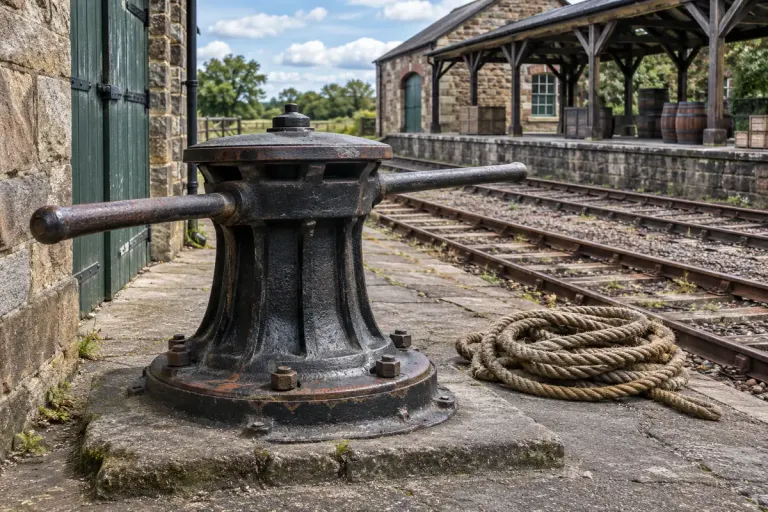
Discover how railway capstans moved wagons with ropes in goods yards, and what an industrial object can reveal beyond locomotive history.
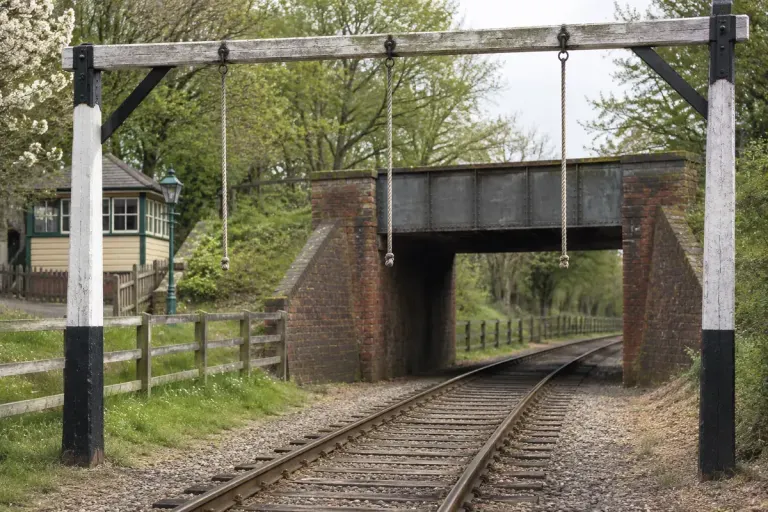
The end supports of a railway bridge can preserve clues that the span no longer shows. Learn to distinguish an abutment from an intermediate pier.
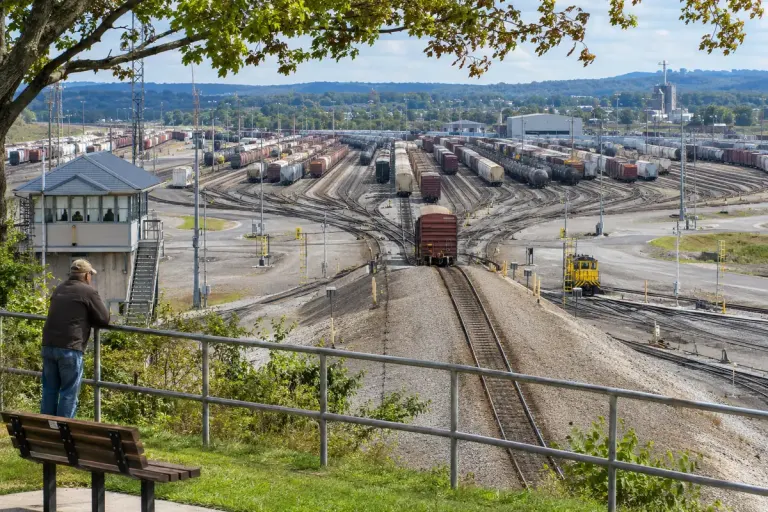
A hump classification yard uses gravity to move freight cars into sorting tracks. Learn what the raised profile reveals when reading railway photographs.
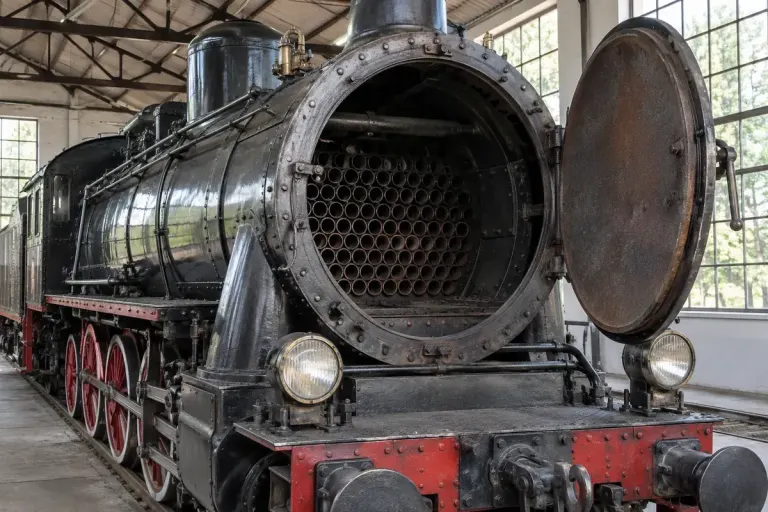
Follow a steam locomotive’s gas path into the smokebox. Learn what the front chamber does and how to read a museum cutaway without confusing water and exhaust.
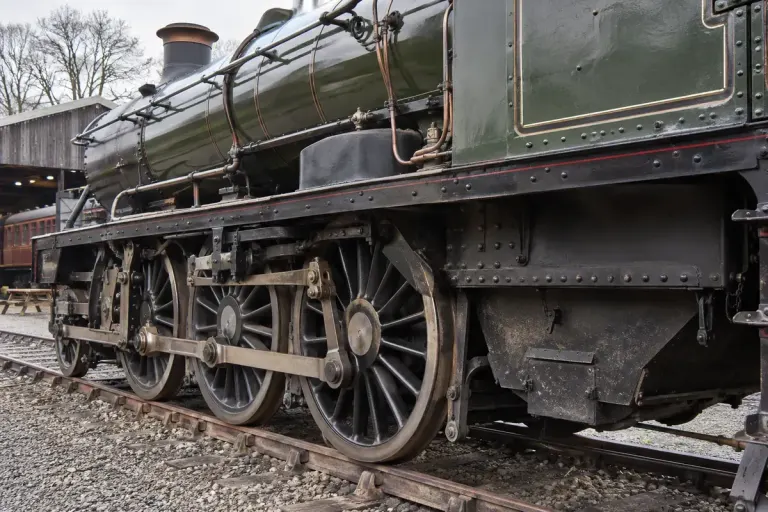
Looking beneath a steam locomotive’s firebox reveals the ashpan and the maintenance work that kept coal-burning engines ready for service.
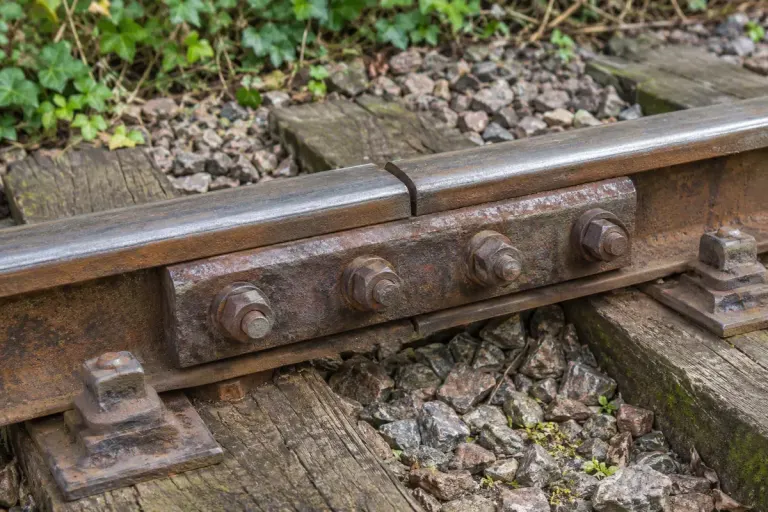
A bolted rail joint is a useful object to study in a museum: identify the rail ends, fishplates and bolts before drawing conclusions about the route.
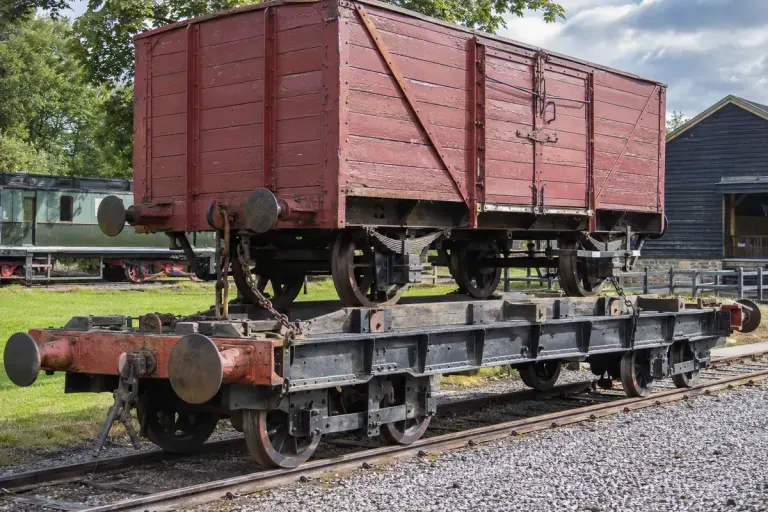
Transporter wagons helped narrow-gauge railways carry standard-gauge vehicles. Learn what to look for in photographs and why the arrangement solved only part of the problem.
Ireland’s Lartigue railway carried loads on both sides of a raised rail. Its unusual layout makes load balance central to understanding the design.