Locomotive Technology
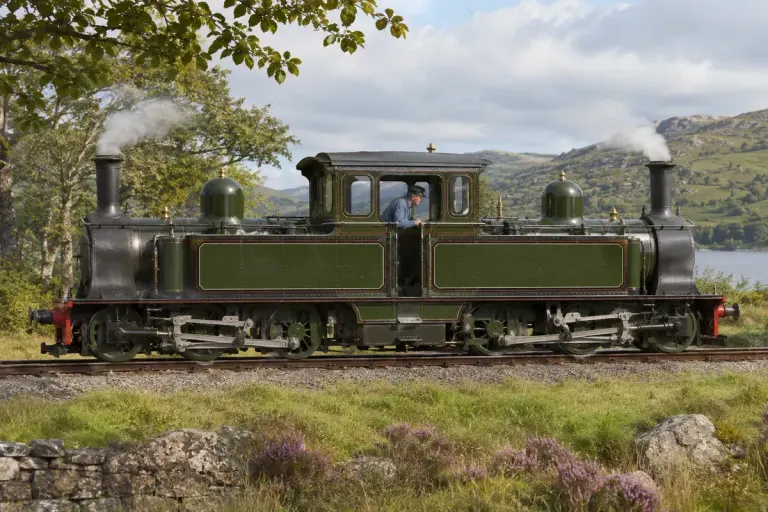
A double Fairlie puts a chimney at each end of the locomotive
Recognise a double Fairlie by its central cab, two chimney ends and powered bogies, then use railway records to distinguish individual locomotives.

Routes, machines and the stories they leave behind.
Recognise a double Fairlie by its central cab, two chimney ends and powered bogies, then use railway records to distinguish individual locomotives.
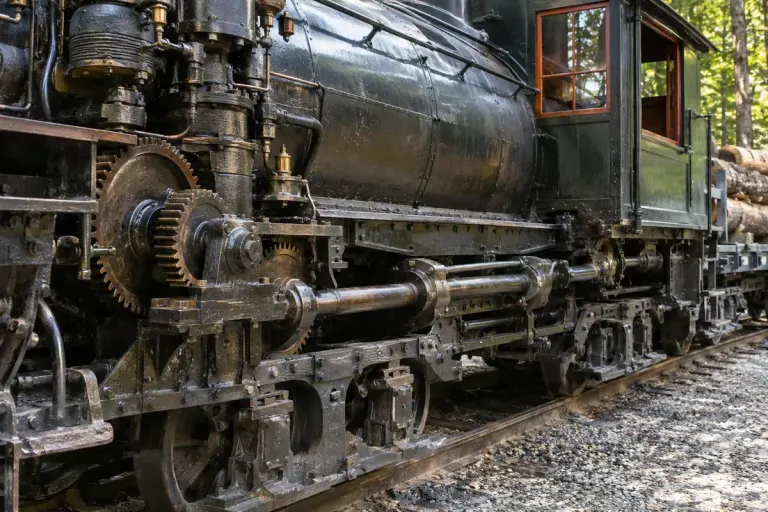
Follow the shafts and bevel gears of a Shay locomotive to understand why its unusual layout suited demanding industrial and logging railway work.
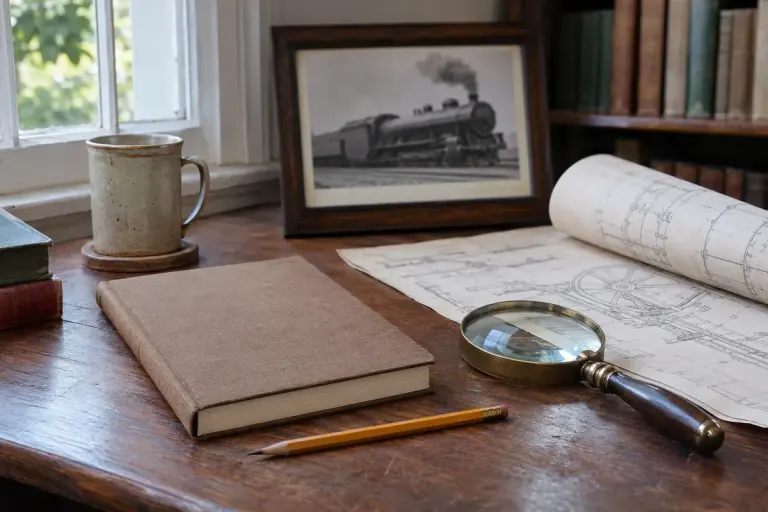
A flattened chimney can reveal a chapter in a locomotive’s working life. Follow the Giesl ejector through dated photographs and railway records.
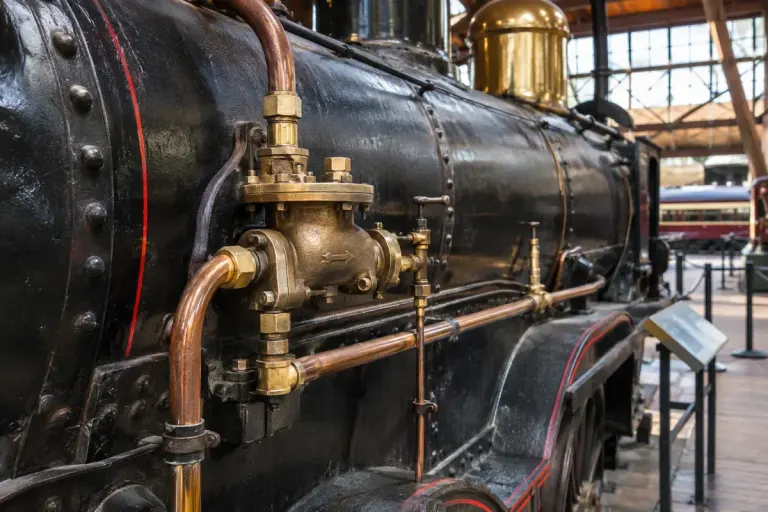
The delivery clack is a small but important non-return valve in a steam locomotive’s water feed. Learn to distinguish its job from that of an injector.
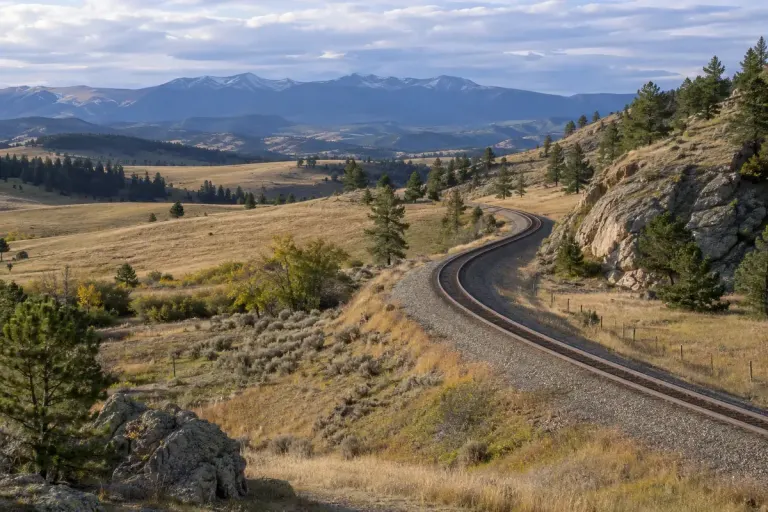
Rail lubrication targets particular contact surfaces. Learn how gauge-face lubrication differs from top-of-rail friction management when reading railway equipment.
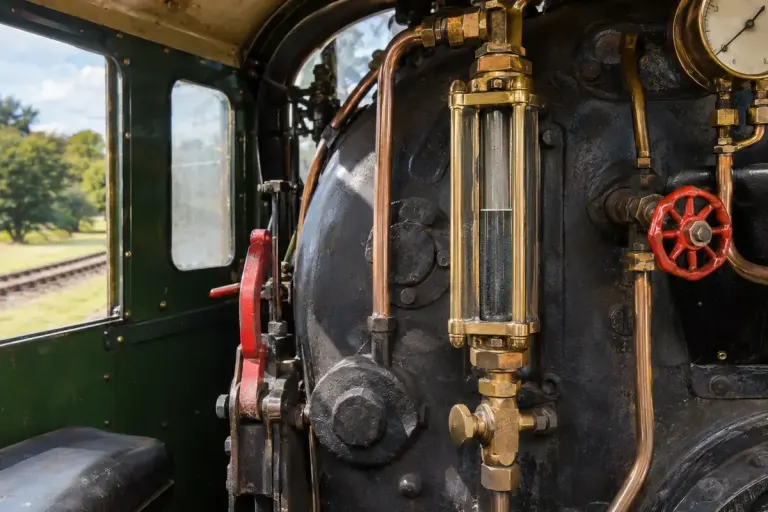
A vertical glass in a steam locomotive’s cab made an otherwise hidden water level visible. Read the museum object as part of a safety-critical working system.
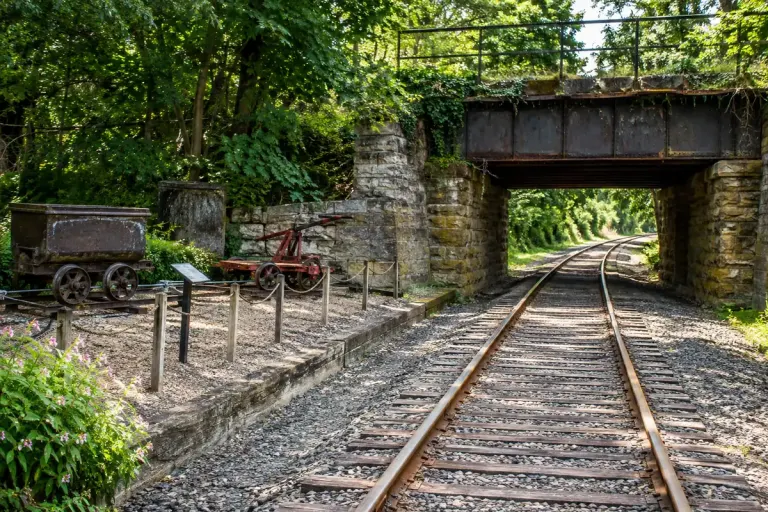
Railway telltales used hanging elements to warn workers of low overhead structures. Read a 1923 patent and learn how to examine the evidence in old photographs.
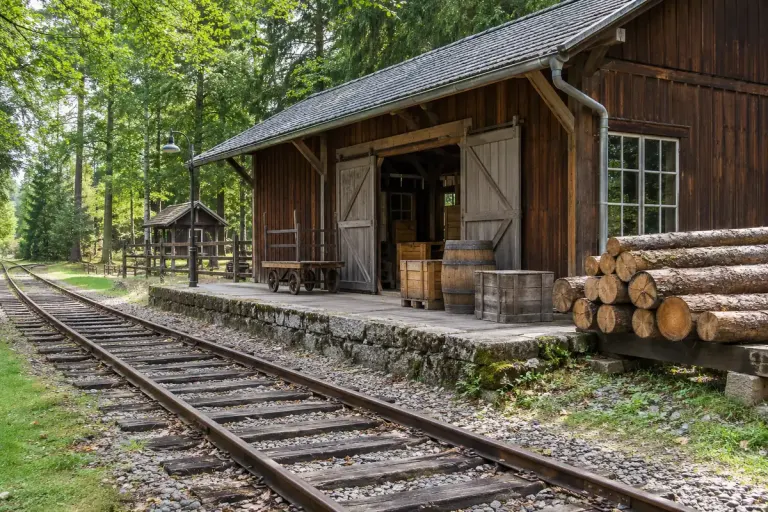
Explore the geared-locomotive idea through a preserved Climax engine, and learn which details connect its machinery to logging and industrial railway work.
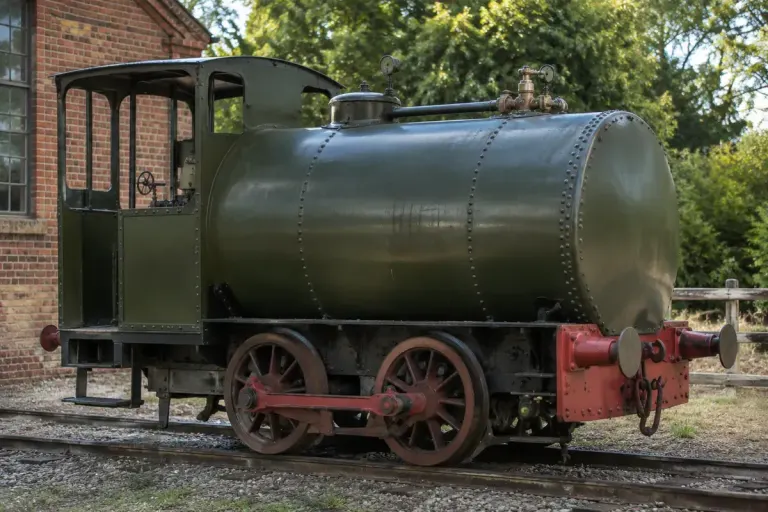
A fireless steam locomotive carried stored thermal energy instead of an onboard fire. Museum examples reveal why industrial railways used this unusual design.