The Fell centre rail gave mountain trains another place to grip
The Fell railway system used horizontal wheels against a raised centre rail. Explore how that differs from a rack railway and what to look for in museum evidence.
The Fell railway system used horizontal wheels against a raised centre rail. Explore how that differs from a rack railway and what to look for in museum evidence.
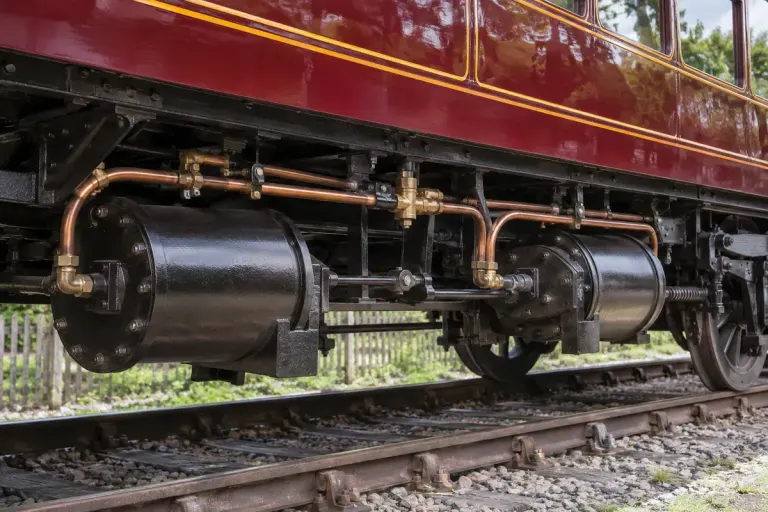
Explore the pressure principle behind automatic vacuum brakes and why a railway brake hose needs its historical system context.

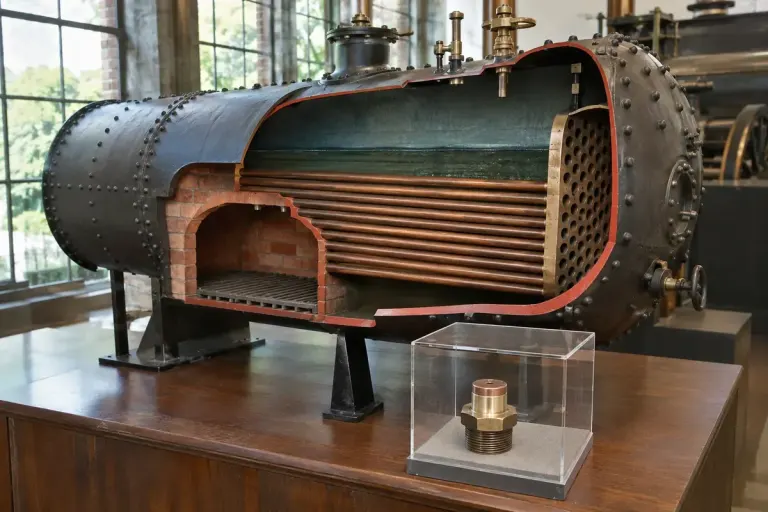
A fusible plug was one part of steam-boiler protection. Explore its historical role and the questions to ask when viewing one in a museum.

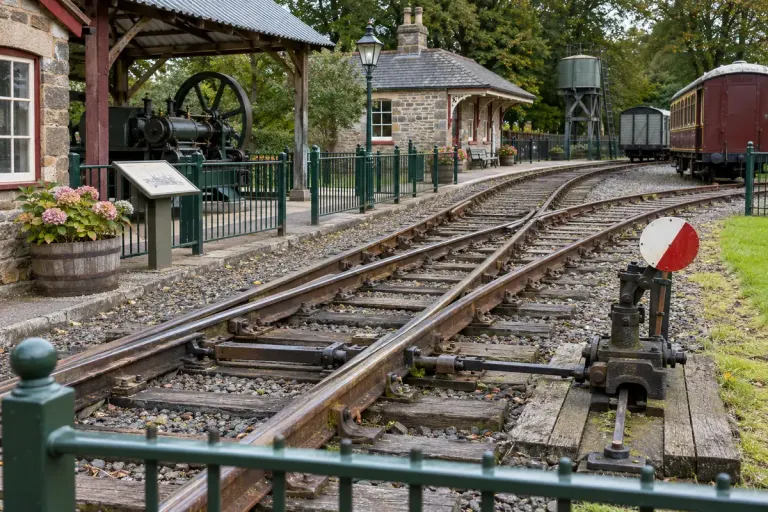
Catch points tell a story about vehicles running back on gradients. Read their purpose in context when studying historic railway plans.

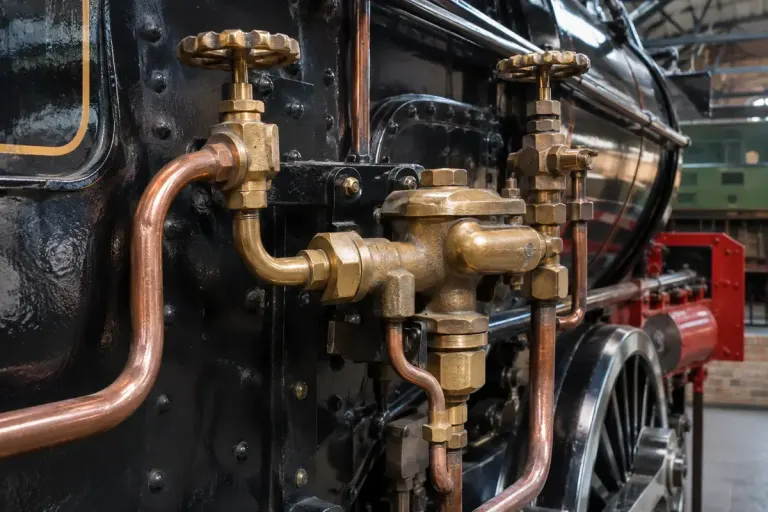
A locomotive injector uses steam to feed water back into a pressurised boiler. Follow the three connections on a museum example.

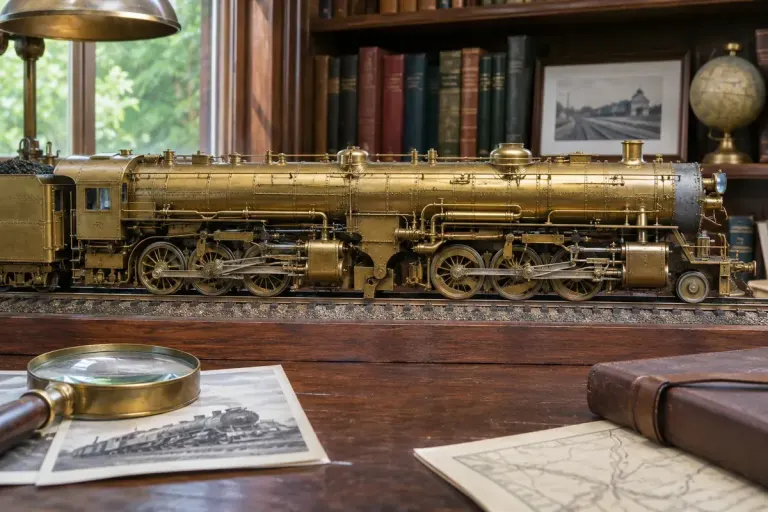
A Mallet combines articulation with compound steam expansion. Separate those two ideas when reading a locomotive photograph, drawing, or museum description.

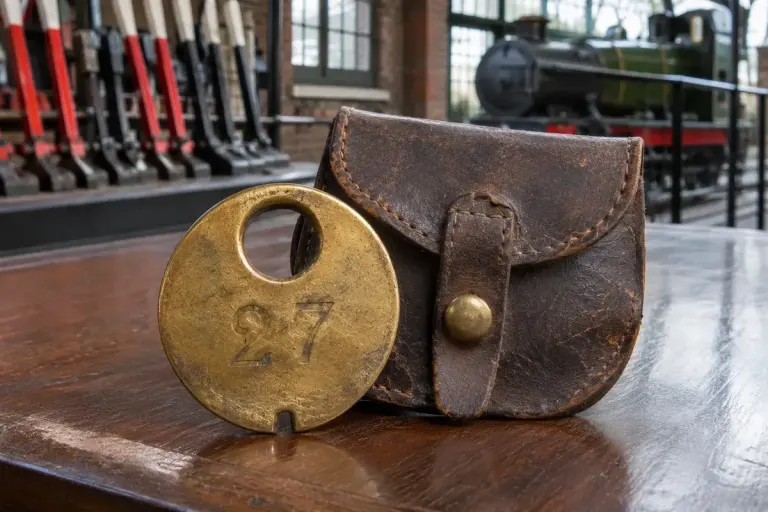
A railway token belonged to a particular section and operating system. Read the object, its place names and its records together when studying single track.

Sanding equipment reveals another side of locomotive servicing: maintaining grip between steel wheels and rails. Read the structures as a working system.

Track pans let specially equipped steam trains collect water while moving. Explore the equipment, the operating problem and the evidence to seek in archives.