Locomotive Technology
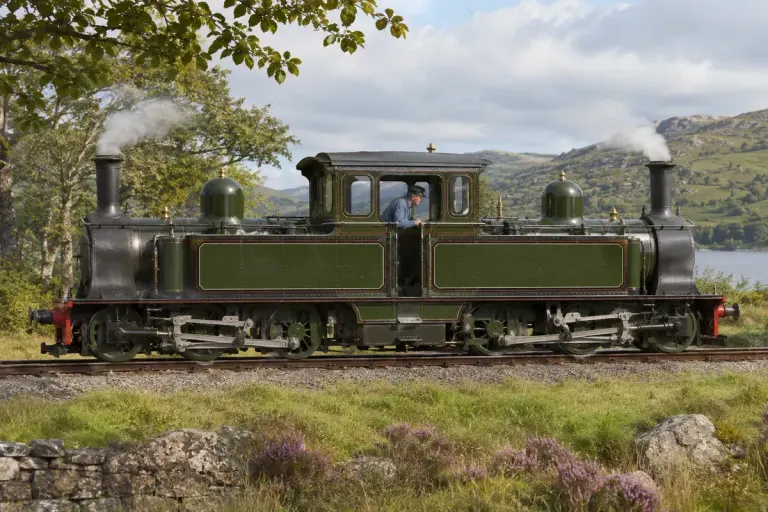
A double Fairlie puts a chimney at each end of the locomotive
Recognise a double Fairlie by its central cab, two chimney ends and powered bogies, then use railway records to distinguish individual locomotives.

Routes, machines and the stories they leave behind.
Recognise a double Fairlie by its central cab, two chimney ends and powered bogies, then use railway records to distinguish individual locomotives.
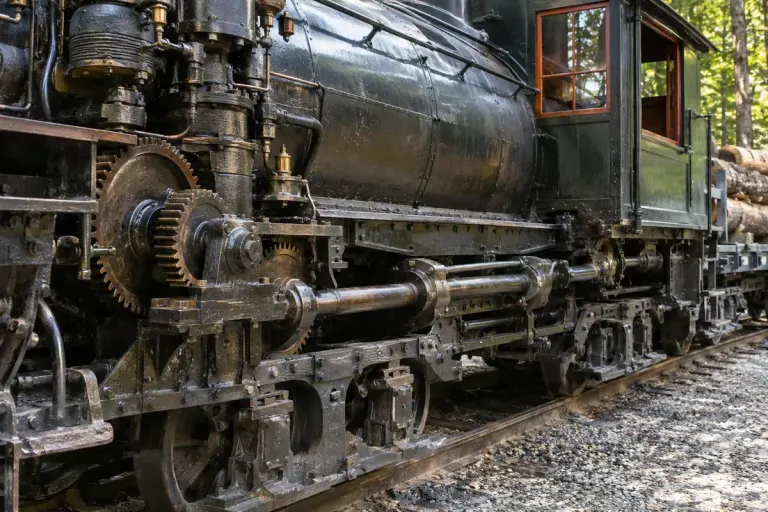
Follow the shafts and bevel gears of a Shay locomotive to understand why its unusual layout suited demanding industrial and logging railway work.
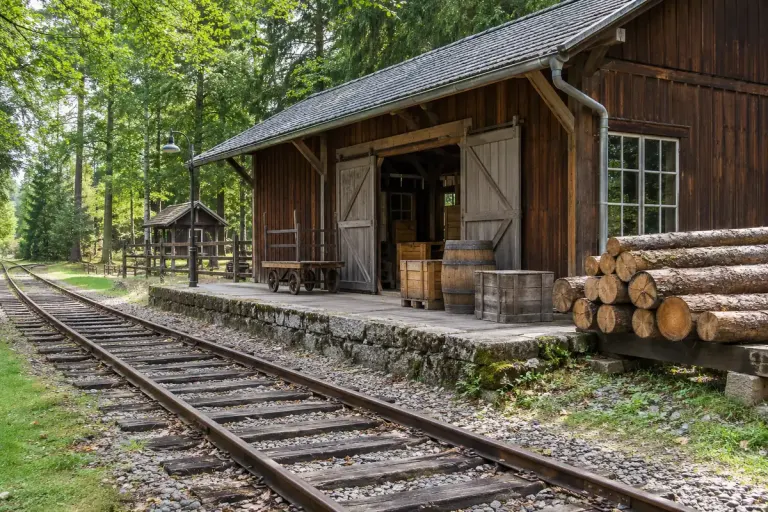
Explore the geared-locomotive idea through a preserved Climax engine, and learn which details connect its machinery to logging and industrial railway work.
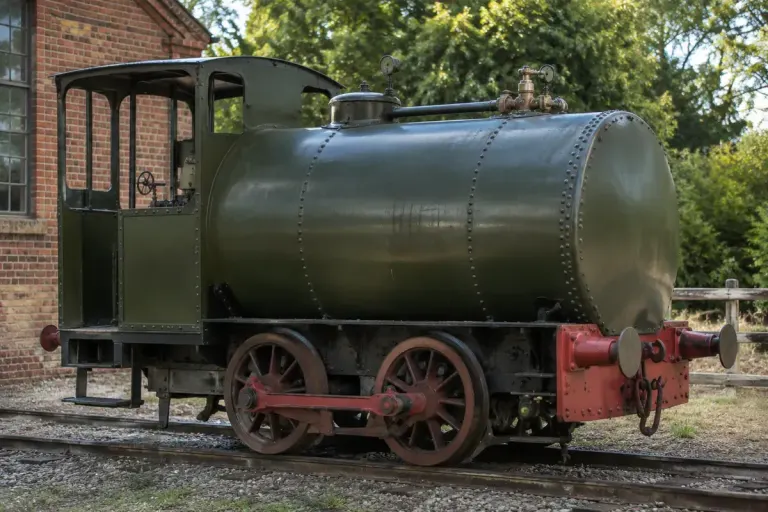
A fireless steam locomotive carried stored thermal energy instead of an onboard fire. Museum examples reveal why industrial railways used this unusual design.
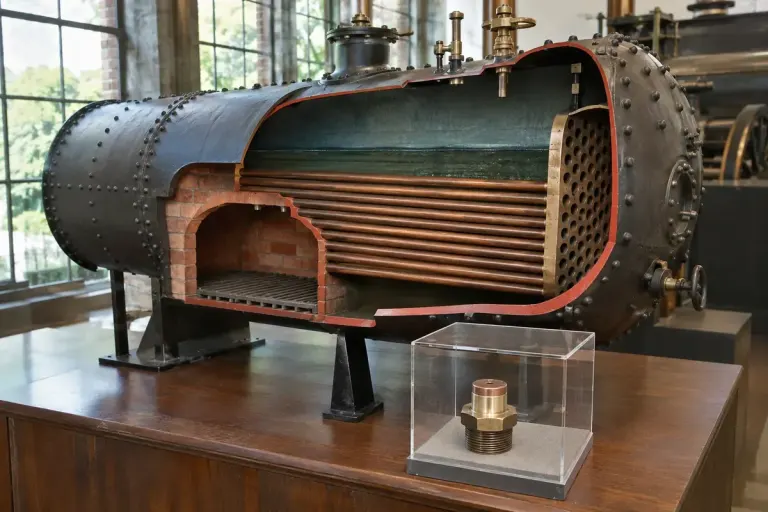
A fusible plug was one part of steam-boiler protection. Explore its historical role and the questions to ask when viewing one in a museum.
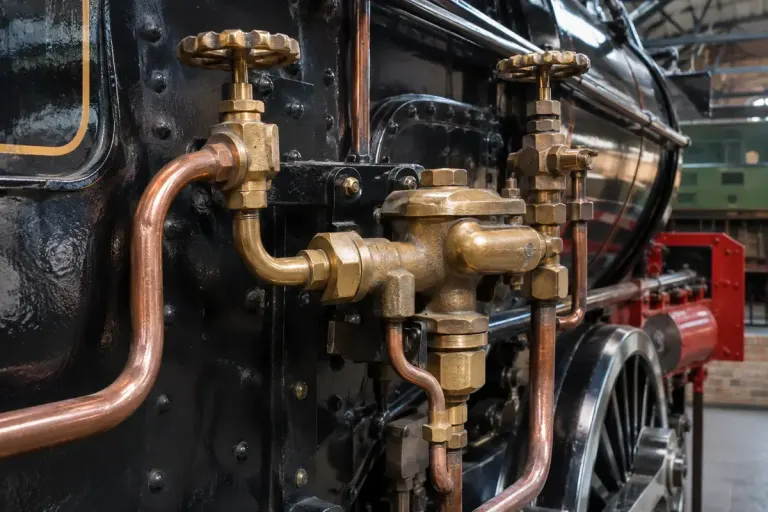
A locomotive injector uses steam to feed water back into a pressurised boiler. Follow the three connections on a museum example.
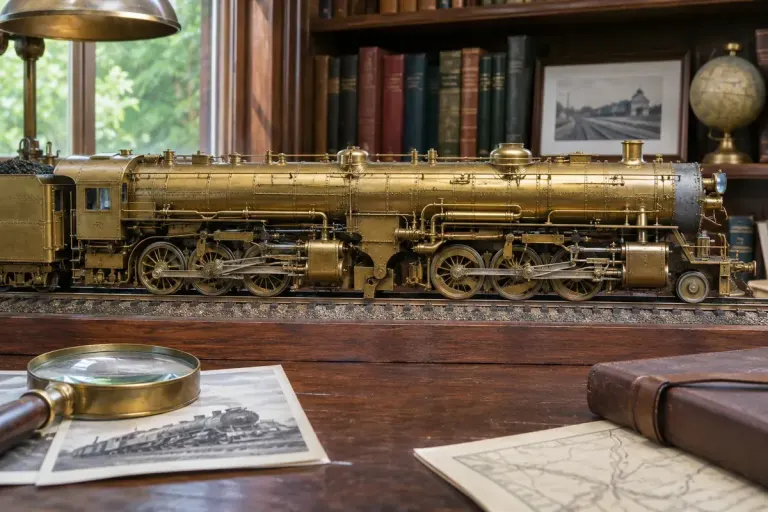
A Mallet combines articulation with compound steam expansion. Separate those two ideas when reading a locomotive photograph, drawing, or museum description.
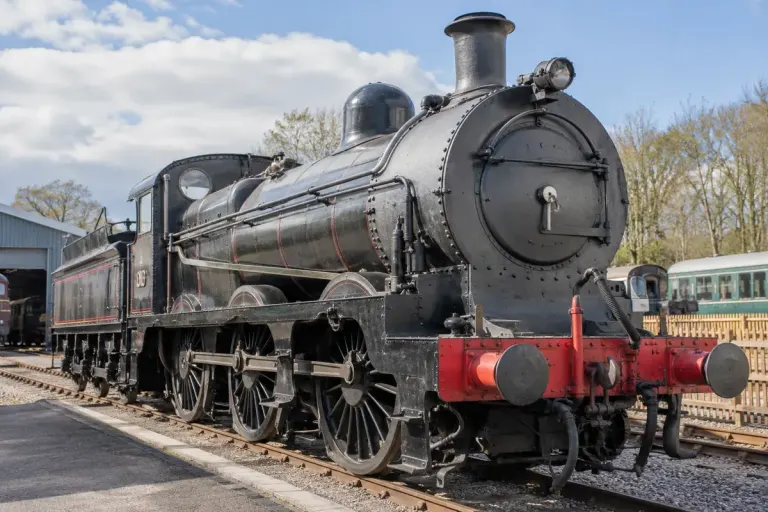
A locomotive superheater gives steam another passage through hot gases before the cylinders. Follow the route to understand its role beside the boiler.
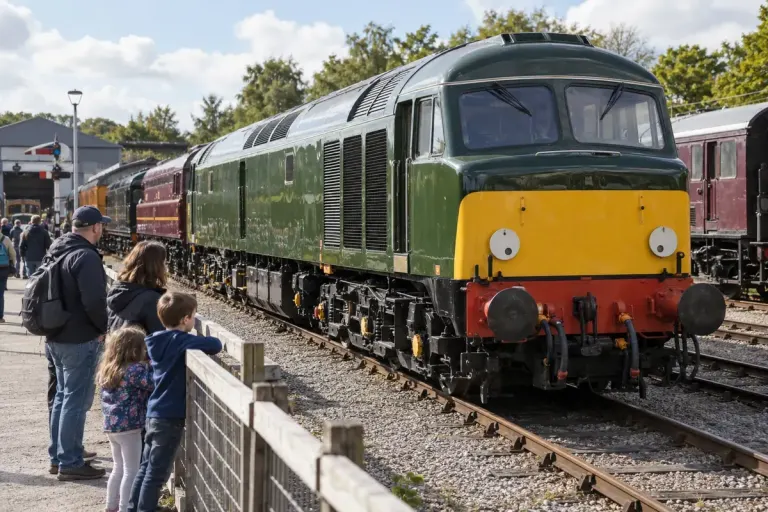
Follow the energy path through a diesel-electric locomotive, and learn why its diesel engine does not drive the wheels like a car engine.