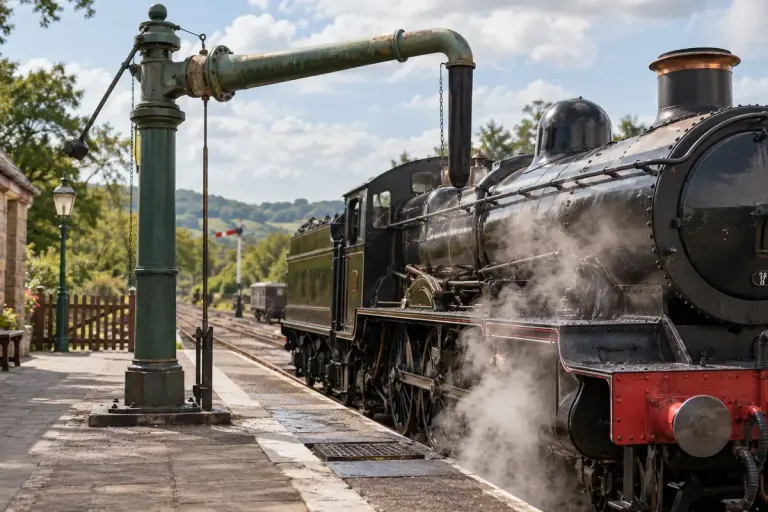
Railway Heritage
A Railway Water Column Points to a Steam Locomotive’s Daily Needs
A surviving water column reveals the support network behind steam trains. Look beyond the locomotive to understand how railway operation depended on water.

Routes, machines and the stories they leave behind.
A surviving water column reveals the support network behind steam trains. Look beyond the locomotive to understand how railway operation depended on water.
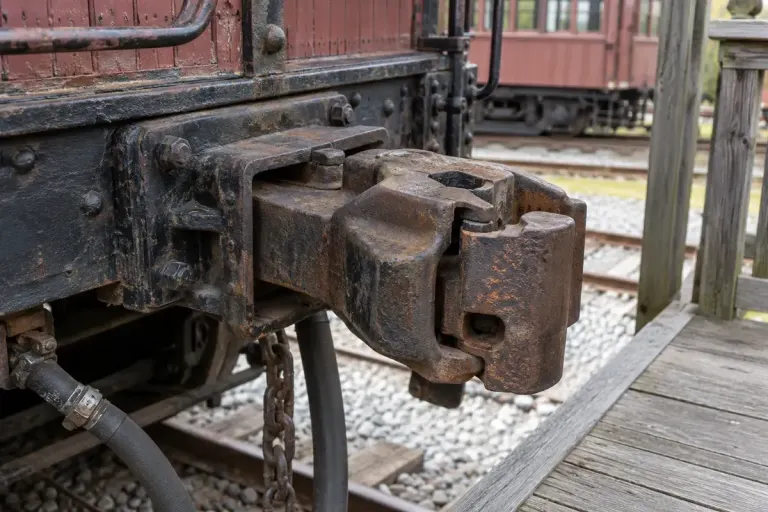
Use a preserved railway coupler to ask better questions about equipment, restoration and the work performed around historic freight cars.
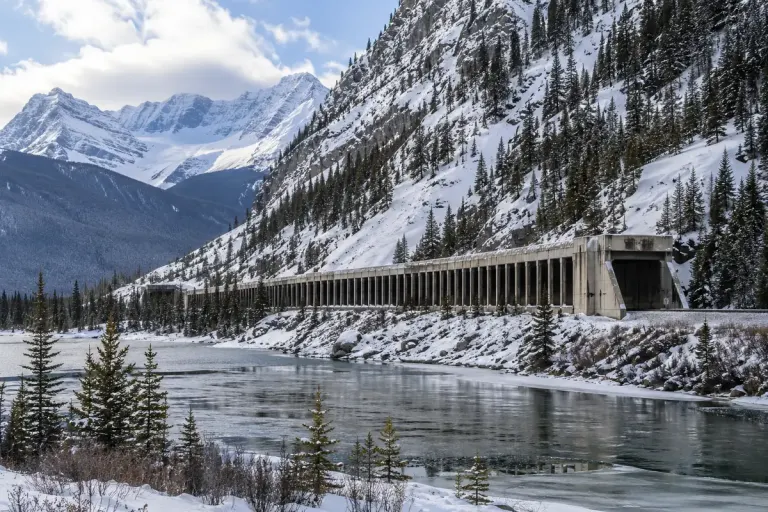
A railway snow shed makes more sense when its surrounding slope is visible. Read historic images with dates, terrain and documented decisions in mind.
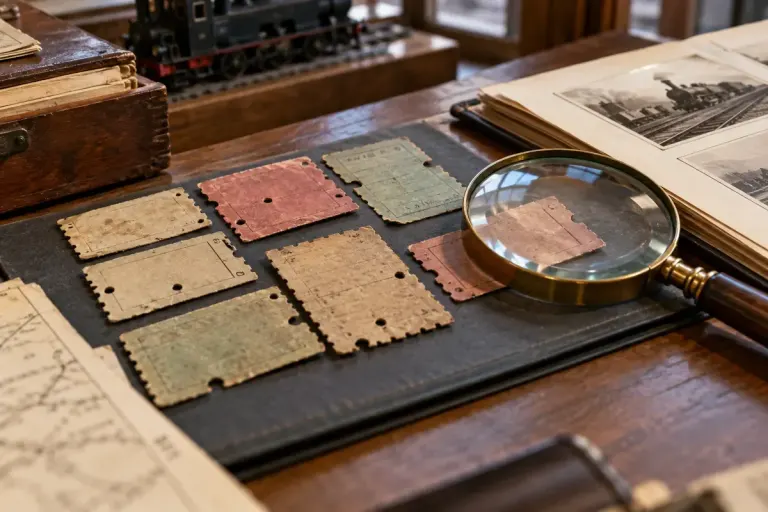
Read a historic railway ticket for route, class, validity and issue context while keeping the printed evidence separate from an imagined passenger story.
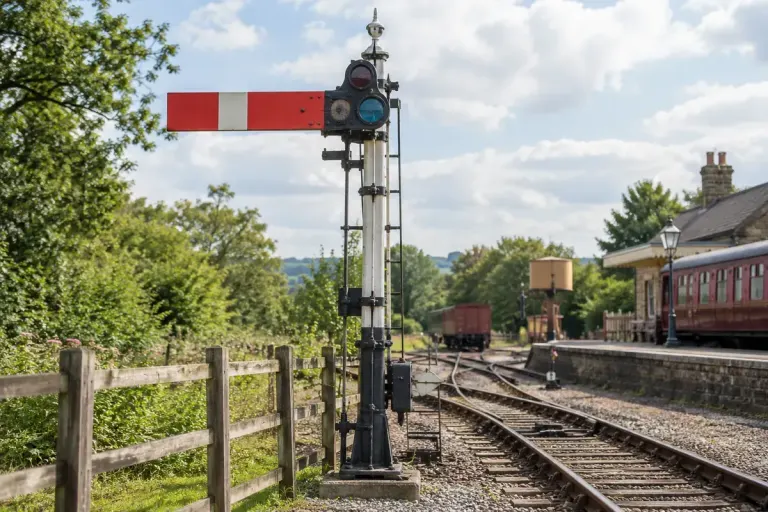
Read a preserved semaphore through its railway, date and location, rather than assigning a universal meaning to an isolated arm position.
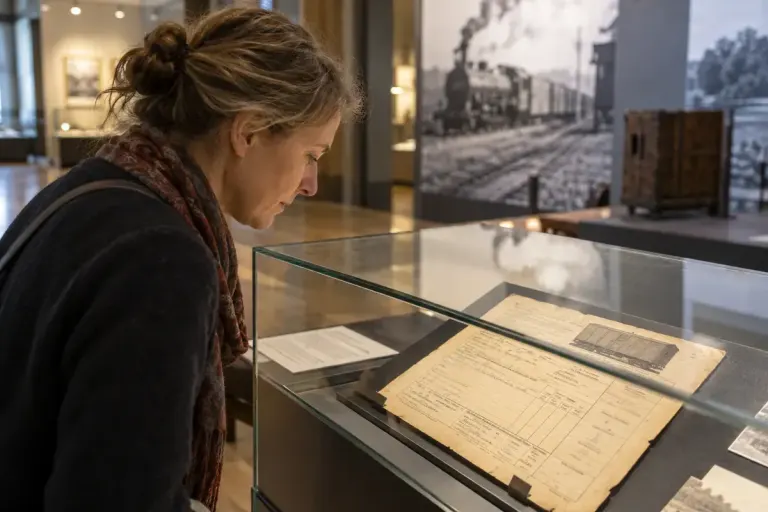
Use a historical freight label or waybill to ask about shippers, destinations and railway handling, while distinguishing printed fields from proven journeys.
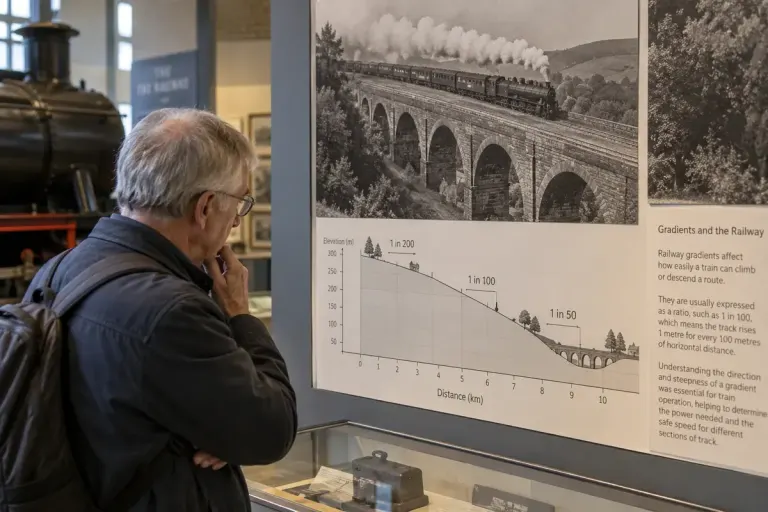
Interpret a railway gradient profile by checking direction, units and vertical scale before using it to explain a historic train’s journey.
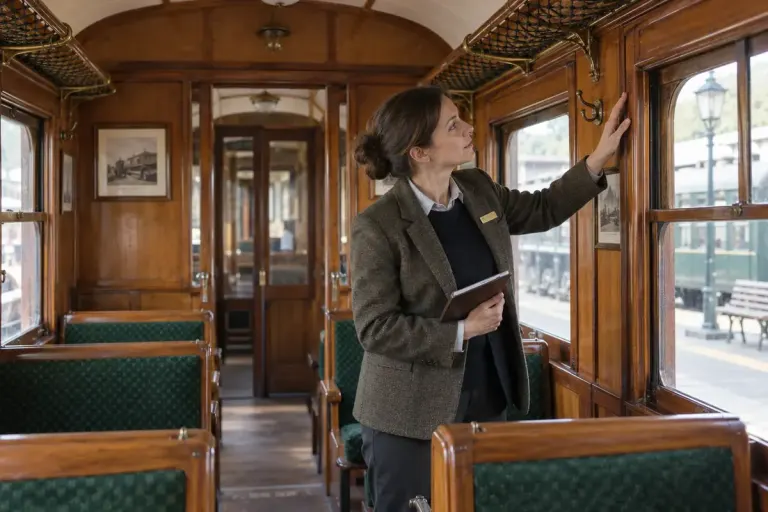
Read a restored railway carriage as a preserved object with a repair history, rather than assuming every visible detail is original.
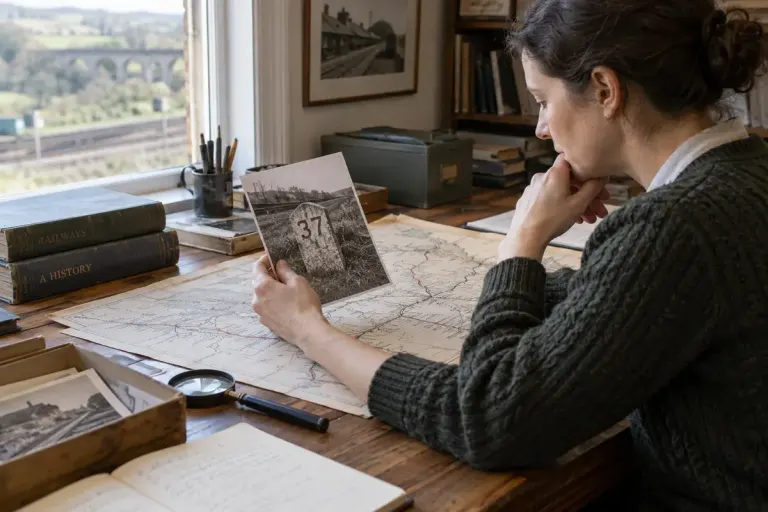
Read a railway milepost alongside the route, company, and date. Its number needs a defined origin before it can locate a historic event.