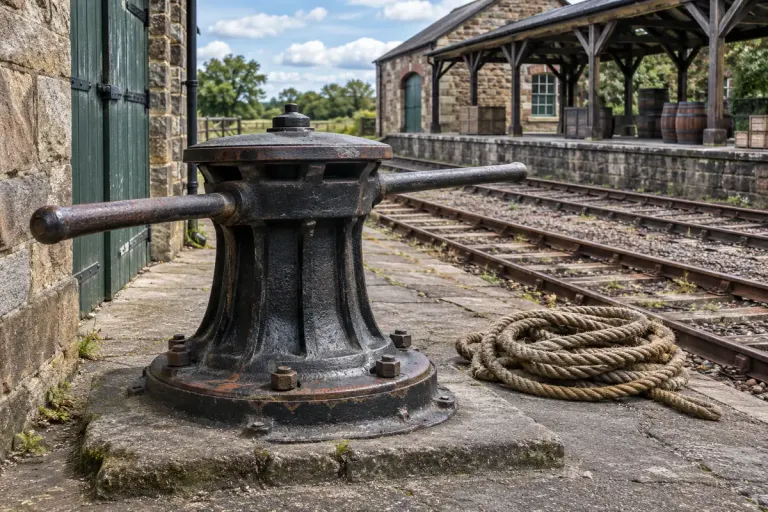
Railway Working History
Railway capstans moved wagons with a rope instead of a locomotive
Discover how railway capstans moved wagons with ropes in goods yards, and what an industrial object can reveal beyond locomotive history.

Routes, machines and the stories they leave behind.
Discover how railway capstans moved wagons with ropes in goods yards, and what an industrial object can reveal beyond locomotive history.
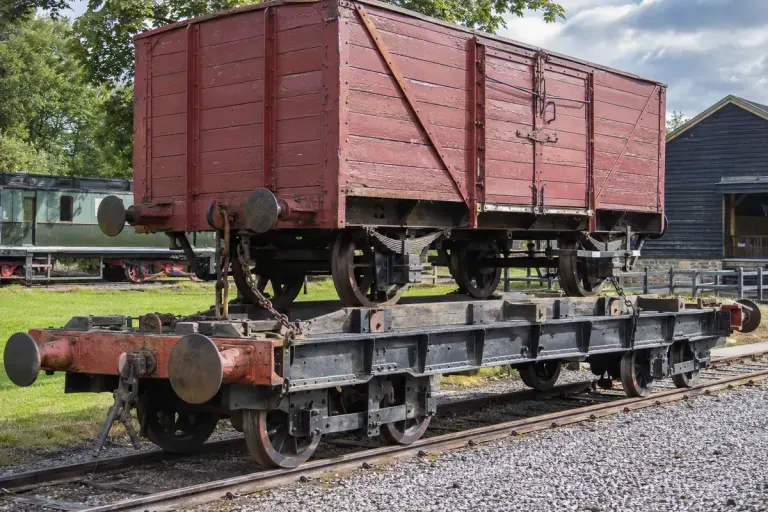
Transporter wagons helped narrow-gauge railways carry standard-gauge vehicles. Learn what to look for in photographs and why the arrangement solved only part of the problem.
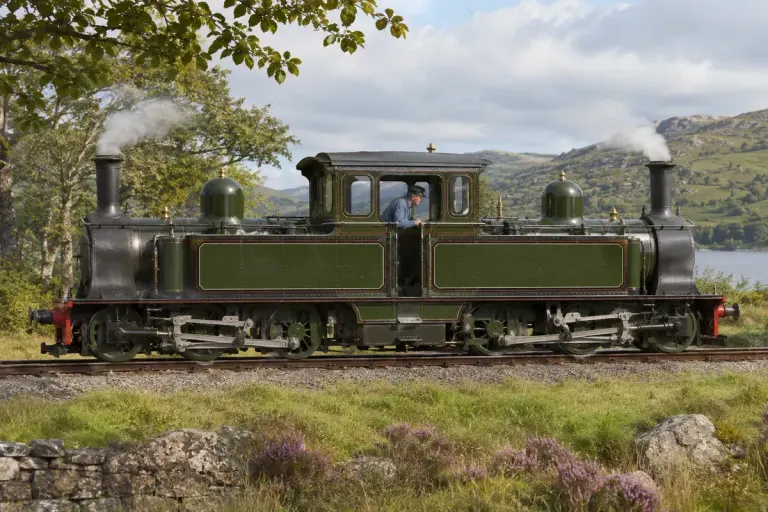
Recognise a double Fairlie by its central cab, two chimney ends and powered bogies, then use railway records to distinguish individual locomotives.
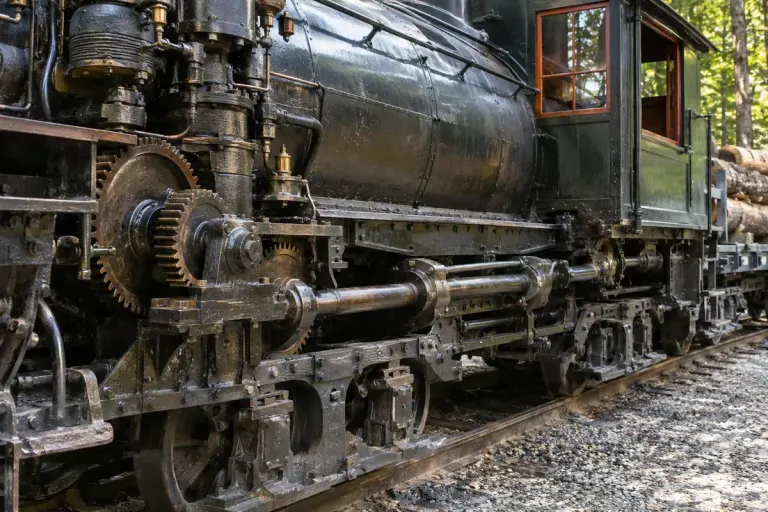
Follow the shafts and bevel gears of a Shay locomotive to understand why its unusual layout suited demanding industrial and logging railway work.
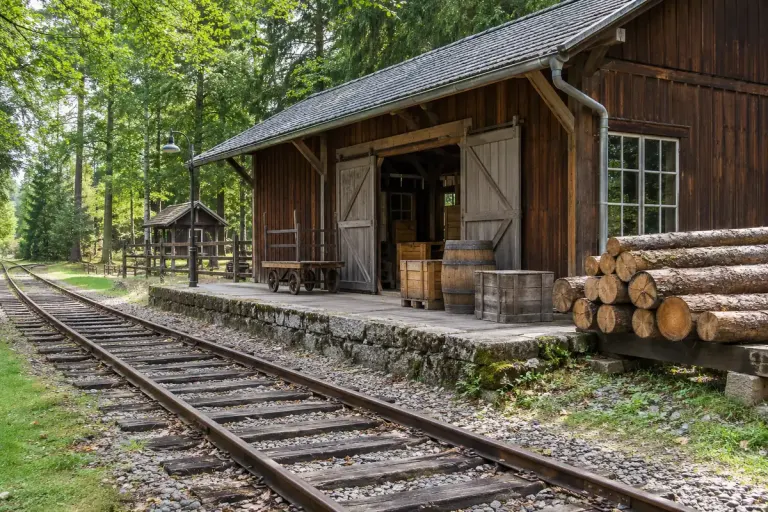
Explore the geared-locomotive idea through a preserved Climax engine, and learn which details connect its machinery to logging and industrial railway work.
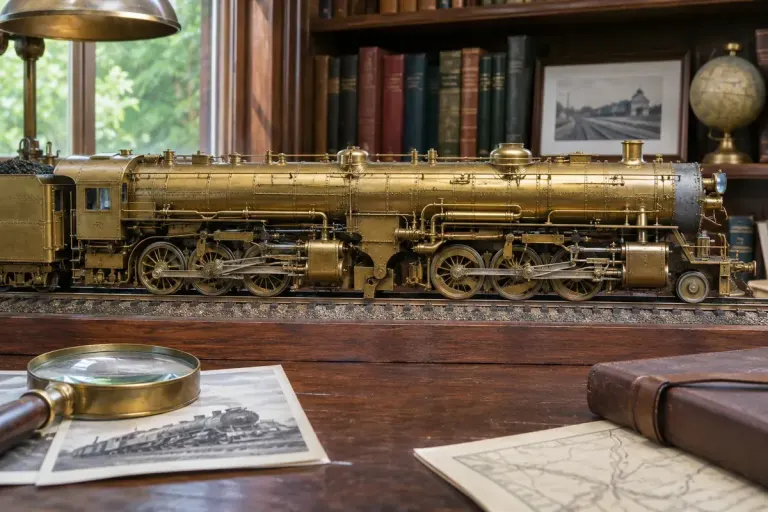
A Mallet combines articulation with compound steam expansion. Separate those two ideas when reading a locomotive photograph, drawing, or museum description.
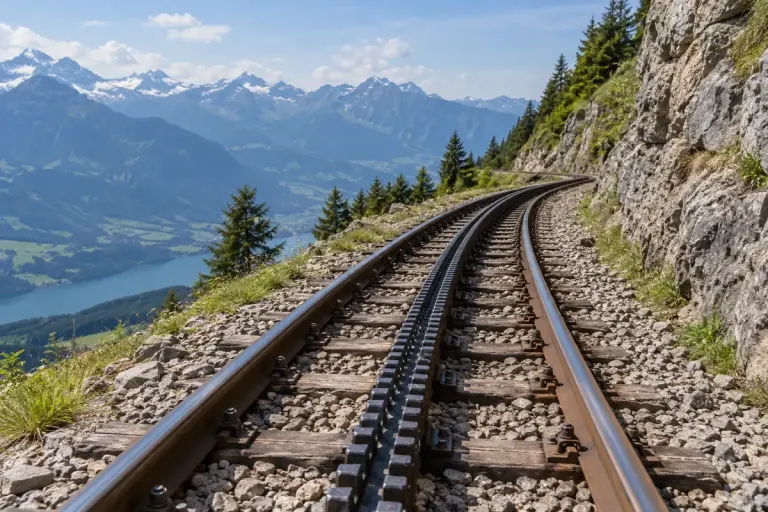
A rack railway adds a toothed rail to help a train climb. Learn what to look for in historic photographs and how it differs from a cable-hauled line.
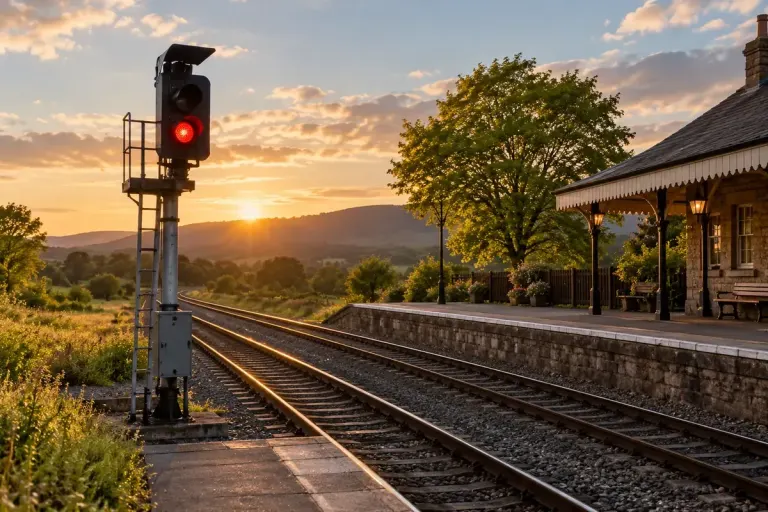
Block signalling separates train movements through sections of railway. Read a historic signal alongside the track layout and operating system.
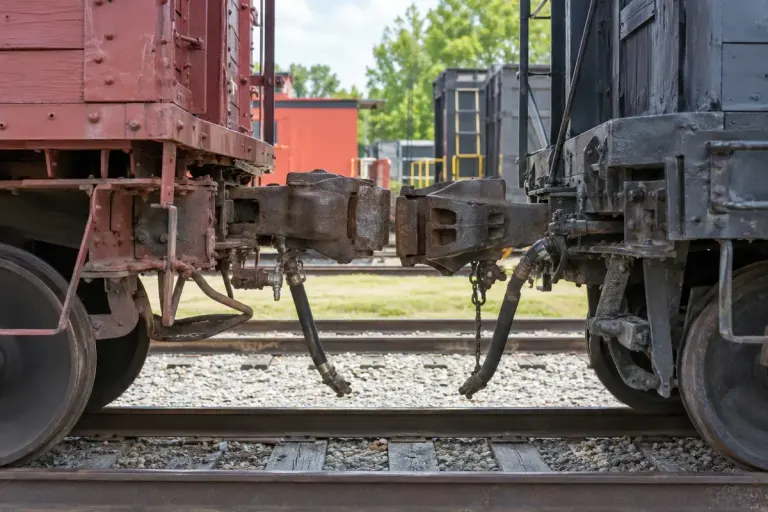
Understand the small movements between coupled railway vehicles and why slack affects how a long train responds.