A transporter wagon lets one railway carry vehicles built for another gauge
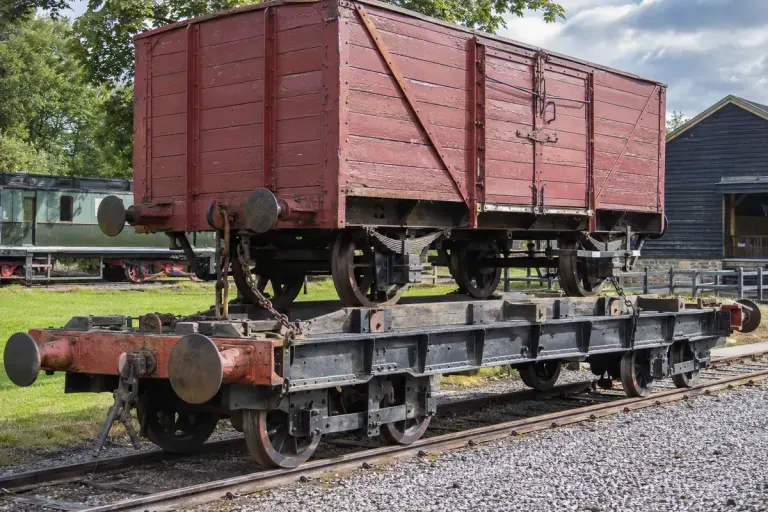
Transporter wagons helped narrow-gauge railways carry standard-gauge vehicles. Learn what to look for in photographs and why the arrangement solved only part of the problem.

Transporter wagons helped narrow-gauge railways carry standard-gauge vehicles. Learn what to look for in photographs and why the arrangement solved only part of the problem.
Ireland’s Lartigue railway carried loads on both sides of a raised rail. Its unusual layout makes load balance central to understanding the design.

The Fell railway system used horizontal wheels against a raised centre rail. Explore how that differs from a rack railway and what to look for in museum evidence.

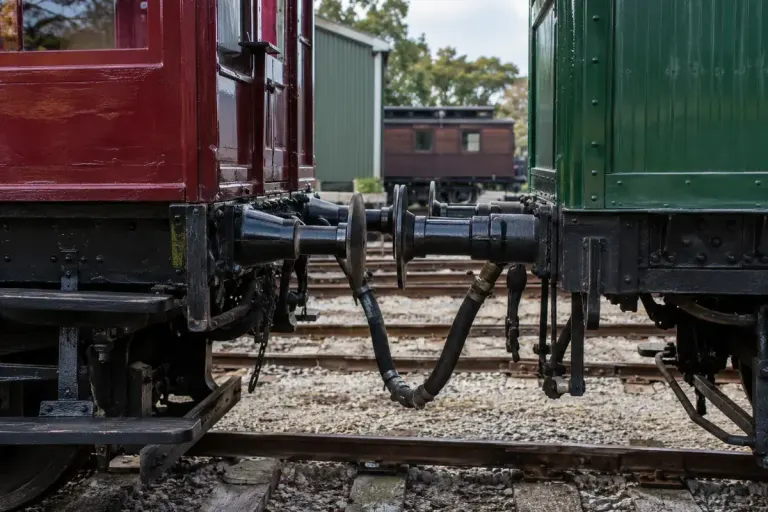
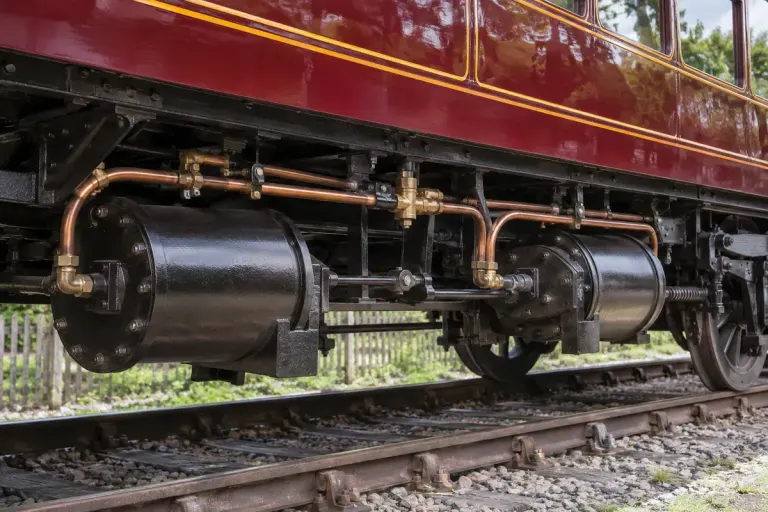
Explore the pressure principle behind automatic vacuum brakes and why a railway brake hose needs its historical system context.

Catch points tell a story about vehicles running back on gradients. Read their purpose in context when studying historic railway plans.

The automatic air brake uses a fall in brake-pipe pressure as a signal. Discover the historical idea behind the hoses joining railway vehicles.

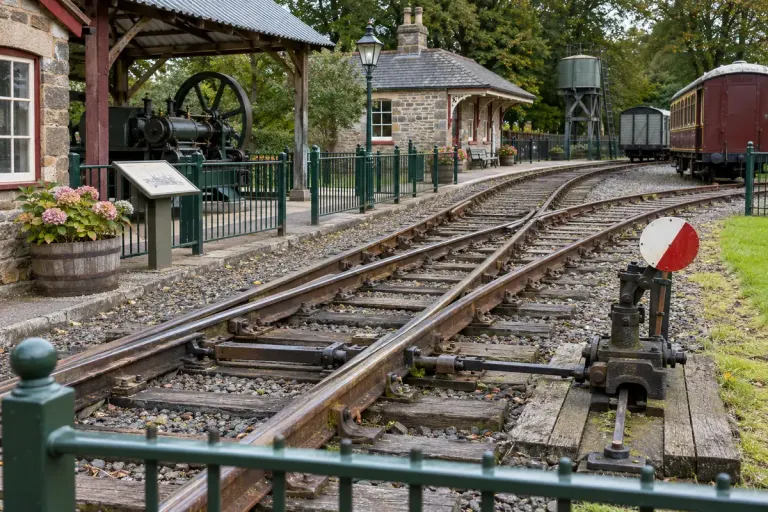
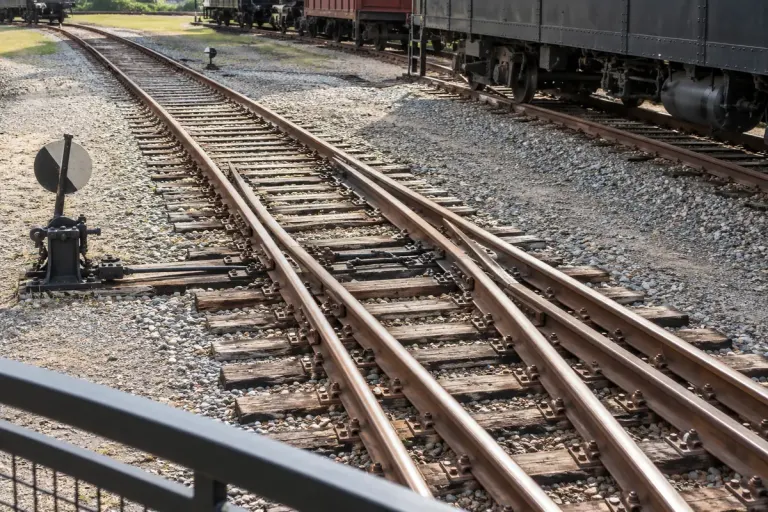
Identify the moving switch rails and crossing area in a railway turnout while keeping museum observation separate from operating equipment.