Montana Railroad Towns: How Railways Shaped Small Communities Across the State
Montana’s wide valleys, mountain passes, and open plains tell a story of transportation, settlement, and economic change. Before modern highways connected much of the state, railroads played a central role in moving people, agricultural products, mining materials, and everyday supplies across long distances.
The development of Montana railroad towns transformed isolated settlements into important transportation and commercial centers. Railway stations attracted businesses, created employment opportunities, and connected local communities with markets far beyond the Rocky Mountains.
Although many railroad operations have changed over time, their influence remains visible in historic depots, downtown streets, industrial buildings, and the identities of communities throughout Montana.
Why Railroads Were Important to Montana’s Development
During the nineteenth century, transportation across Montana was often difficult and expensive. Long distances, mountainous terrain, and seasonal weather created challenges for moving goods and people.
Railroad expansion changed those conditions by providing more reliable connections between communities and regional markets.
Mining companies could transport ore and equipment more efficiently, while farmers and ranchers gained access to distant buyers.
Railroads also encouraged new businesses to establish themselves near stations and freight facilities.
Hotels, warehouses, general stores, and repair workshops frequently developed around railway activity, creating economic opportunities for growing settlements.
How Railroad Towns Began to Grow
Many Montana railroad towns developed around practical railway requirements.
Railroad companies needed locations for stations, maintenance facilities, freight handling, water supplies, and other operational services.
Some communities grew near existing settlements, while others emerged because a railway route passed through previously sparsely populated areas.
Once a station became established, commercial activity often followed.
Merchants opened shops to serve railroad employees and travelers. Local producers used freight services to transport goods, and families moved into areas offering new employment opportunities.
Over time, these settlements developed schools, churches, public buildings, and recognizable downtown districts.
The railroad was not always the only reason a town existed, but it frequently influenced how quickly the community expanded.
Livingston: A Railroad Town Near Yellowstone
Livingston became an important center for the Northern Pacific Railway during the early 1880s.
Its location near Bozeman Pass made it useful for railroad operations, including locomotive servicing and maintenance. The community also developed a strong connection with tourism because Northern Pacific promoted rail travel to Yellowstone National Park.
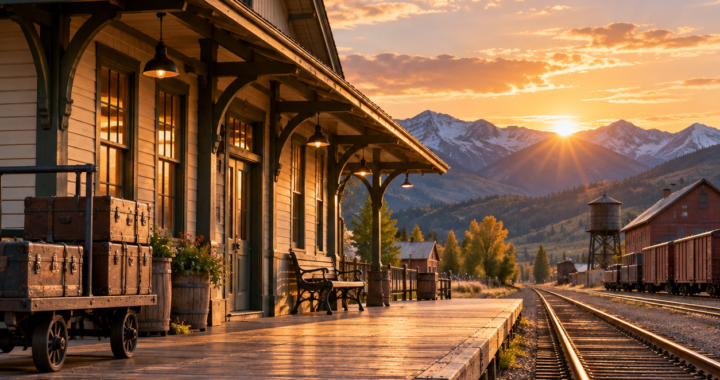
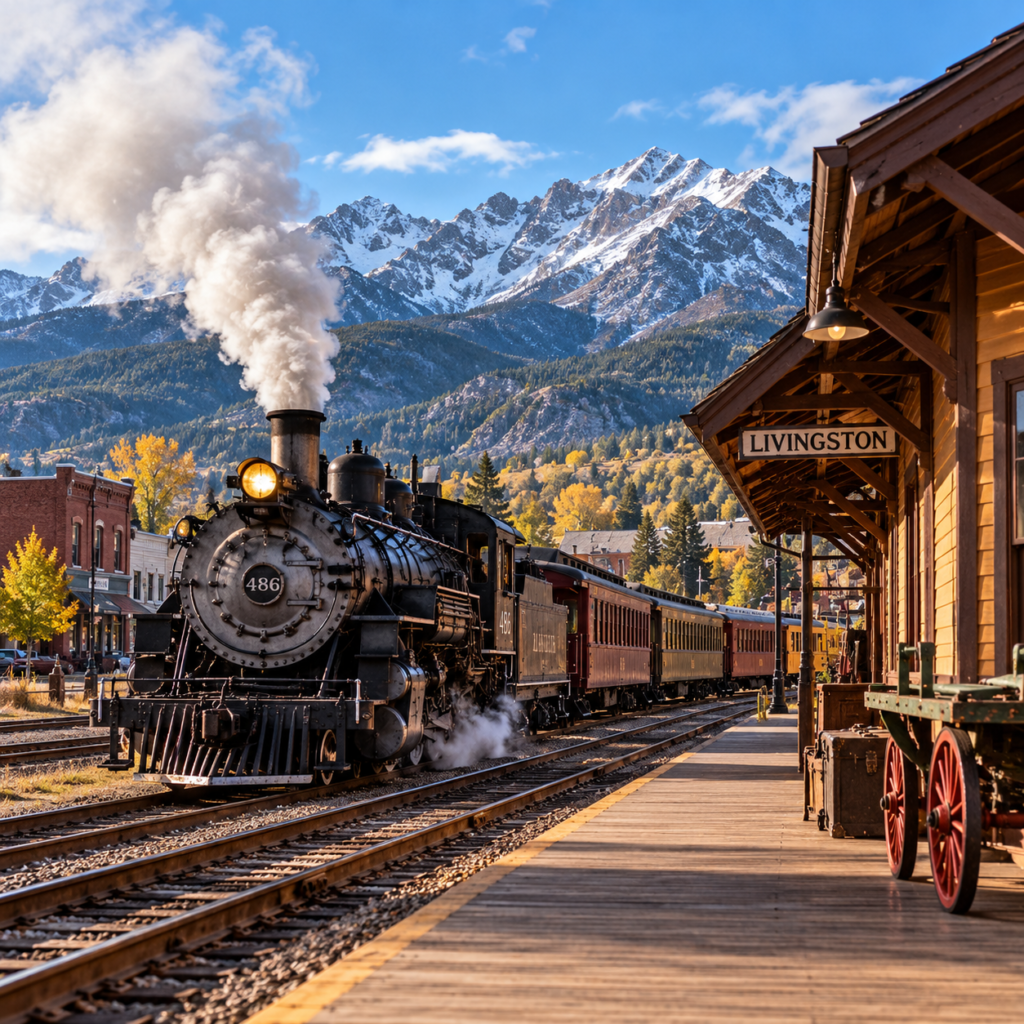
Livingston’s historic depot and commercial buildings remain reminders of the period when passenger trains, railway employees, and visitors contributed significantly to local activity.
Whitefish: A Community Built Around the Great Northern
Whitefish provides another example of how railroad decisions influenced settlement patterns.
In 1904, the Great Northern Railway established Whitefish as a division point after changing its route through northwestern Montana.
Railroad repair shops, administrative offices, and employment opportunities encouraged the town’s growth.
The historic Great Northern depot, completed in 1928, remains an important architectural landmark and a visible connection to the community’s railway heritage.
Butte: Where Railroads Supported the Mining Industry
Butte developed into one of Montana’s most significant industrial transportation centers.
Its copper mining industry required dependable transportation for heavy materials, equipment, and processed products.
Several railroad companies served the city, including Northern Pacific, Great Northern, Union Pacific, and Milwaukee Road.
The Butte, Anaconda and Pacific Railway also provided an important connection between mining operations in Butte and smelting facilities in Anaconda.
These railway networks helped support the region’s industrial economy and demonstrated how transportation infrastructure could influence the development of an entire community.
How Railroad Employment Influenced Community Life
Railroad towns depended on more than train engineers and conductors.
Maintenance workers, mechanics, freight handlers, station agents, and administrative employees supported daily operations.
Their families contributed to the development of neighborhoods, schools, churches, and local businesses.
Railway employment also brought workers from different backgrounds into Montana communities, adding to their cultural and social histories.
However, railroad work could involve demanding schedules and dangerous conditions. The benefits of economic growth were accompanied by occupational risks and changing employment opportunities.
What Happened When Railroad Operations Changed?
Railroad communities were vulnerable to changes in transportation technology and company operations.
As diesel locomotives replaced steam engines, some maintenance facilities became less important. Railway consolidation, route changes, and the expansion of highway transportation also affected local economies.
Communities that depended heavily on railroad employment sometimes faced difficult adjustments.
Some developed new industries or expanded tourism, while others experienced population decline or reduced commercial activity.
These changes demonstrate why the history of railroad towns includes both periods of expansion and economic uncertainty.
Preserving Montana’s Railroad Heritage
Historic depots, railway equipment, photographs, maps, and personal accounts help preserve the stories of Montana’s railroad communities.
Restored stations and local historical collections provide opportunities to understand how transportation shaped everyday life.
Preservation is particularly important because many original railway structures have disappeared or been repurposed.
Studying these remaining landmarks helps connect present-day communities with the workers, families, and industries that contributed to their development.
Conclusion
The history of Montana railroad towns reveals how transportation networks influenced settlement, employment, commerce, and community identity across the state.
From Livingston’s connection to Yellowstone tourism to Whitefish’s Great Northern facilities and Butte’s mining railways, each community developed a distinctive relationship with railroad transportation.
Although railway operations have evolved, their historical influence remains an important part of Montana’s cultural and industrial heritage.